Views: 0 Author: Site Editor Publish Time: 2026-10-29 Origin: Site
Many pitmasters make a fatal cleanup mistake. They grab a standard household vacuum to suck up fine grill ash. The result is often a blown motor or a melted plastic hose. Standard shop vacuums simply cannot handle micro-particulates. They also lack the specialized thermal filtration necessary for residual grill heat. Ash dust immediately coats standard paper filters, choking off airflow.
To clean confined grill spaces safely, you need a specialized BBQ ash vacuum. These dedicated tools extract fine, warm ash without creating fire risks. They feature heat-resistant components preventing filter clogging and protecting the motor. You will learn exactly why standard vacuums fail, how to match a vacuum to your specific grill, and how to maintain it for optimal safety and performance.
Standard shop vacuums are not equipped to handle the fine particulate size or residual heat of BBQ ash.
A dedicated grill ash vacuum cleaner prevents motor burnout, eliminates fire hazards, and improves grill airflow and temperature control.
Evaluation hinges on three non-negotiable features: a metal-lined hose, a fire-resistant filtration system (ideally HEPA-rated for fine dust), and a metal canister.
Matching the vacuum to the grill type (Pellet vs. Charcoal/Kamado) dictates whether you need a high-capacity unit or a portable ash vacuum with precision attachments.
We must first address the particulate problem. Charcoal and wood pellet ash differ greatly from sawdust or dirt. Ash particles are microscopic. A standard filter blocks up in seconds. The motor works harder, overheats, and dies rapidly.
The thermal danger is equally serious. Hidden embers stay hot for up to 24 hours post-cook. A plastic hose will melt if an ember travels through it. Worse, vacuum airflow acts like a bellows. It can easily ignite debris inside a standard vacuum canister.
A dedicated barbecue ash cleaner solves these critical issues. It uses fire-retardant filters to stop heat transfer. The canister is purely metal. The intake nozzle uses aluminum. This specific combination keeps your equipment and home completely safe.
Different grills require different cleaning strategies. Matching your tool to your setup ensures better results and extends the life of your equipment.
Frequent cleaning prevents major operational issues. Fire pots get blocked easily. Augers jam if ash builds up heavily. You need narrow crevice tools. They navigate around heat baffles effortlessly. They reach deep into tight fire pots.
These setups demand high-volume ash removal. You often encounter unburned charcoal chunks. High-capacity canisters work best here. They clear heavy ash beds from the bottom bowl. You avoid tipping heavy, fragile ceramic grills.
These require handling larger debris alongside fine ash. You should utilize wider metal hoses. A wide hose prevents clogging from large wood chips.
Grill Type | Primary Cleaning Need | Ideal Vacuum Application |
|---|---|---|
Pellet Grills | Prevent fire pot blockages and auger jams | Narrow crevice tools for tight navigation |
Charcoal & Kamado | High-volume ash and unburned chunk removal | High-capacity (5-gallon) canister units |
Pizza Ovens & Fire Pits | Handling mixed debris (ash + wood chips) | Wider metal hoses to prevent blockages |
Choosing the right equipment requires understanding specific components. We evaluate these units across four non-negotiable criteria.
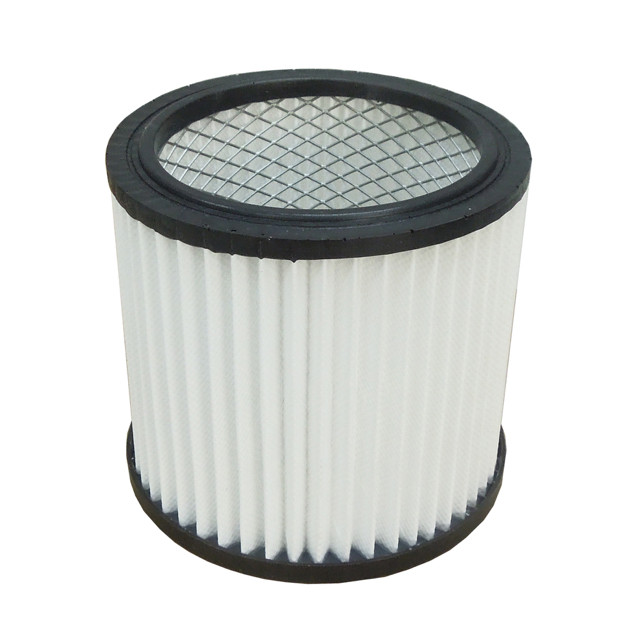
Filtration System (The Most Critical Component): Look for dual-stage or HEPA-rated fire-resistant filters. A primary metal mesh filter stops hot embers instantly. The secondary fabric filter traps fine dust.
Hose and Canister Construction: The unit must feature a fully metal canister. It needs a flexible, metal-lined hose. Always avoid models featuring plastic intake components.
Power Output and Suction (CFM/Watts): Target models in the 800W to 1200W range. Dense, compacted ash requires strong suction lift.
Form Factor: Corded vs. Portable Ash Vacuum: Corded models offer immense reliability. However, outdoor kitchens often lack convenient power outlets. A rechargeable portable ash vacuum provides unmatched convenience for remote patios.
Understanding the "warm ash" myth is vital. These vacuums are fire-resistant, not fire-proof. No vacuum should ever suck up live embers. Establish a strict 12-to-24-hour cool-down rule before vacuuming.
Maintaining your ash vacuum for BBQ requires routine care. Filters need regular tapping to shed dust. You can use compressed air to clean them thoroughly. This practice maintains optimal CFM (suction power). Never wash fire-retardant filters using water unless the manufacturer explicitly states it.
Storage considerations matter significantly. Ash and ambient moisture mix to form a corrosive paste. Empty the metal canister regularly. This prevents interior rusting over time.
Tap the filter gently after each cleaning session.
Inspect the metal hose for punctures monthly.
Wait a full day after cooking before cleaning the firebox.
Vacuuming immediately after finishing a cook.
Leaving ash inside the canister during winter storage.
Using water to rinse non-washable HEPA filters.
Your cooking habits dictate your equipment needs. We break down the ideal choices based on user profiles.
Prioritize a compact, low-capacity model. A 2-3 gallon portable unit works perfectly. Ensure it has a narrow nozzle attachment. This fits tight fire pots without hassle.
Opt for a high-capacity corded model. A 5+ gallon, 1200W+ unit handles heavy weekend usage easily. You will not need to empty it mid-clean.
Measure your available storage space. Check your grill's firebox dimensions to ensure nozzle fit. Verify replacement filter availability online before making a final purchase.
Investing in a dedicated ash cleanup tool is a critical risk-mitigation strategy. It protects your home safety directly. It also ensures the longevity of your BBQ equipment. Always prioritize solid metal construction over raw suction power. Thermal filtration remains the most important safety feature you can buy.
Implement a 24-hour waiting period before cleaning any grill.
Empty the collection canister immediately after every use.
Keep spare fire-resistant filters handy for uninterrupted maintenance.
A: No. Regular shop vacs lack metal-lined hoses and thermal-resistant components. This creates a severe fire hazard if a hidden ember is inhaled into a plastic canister.
A: While not strictly necessary for outdoor use, HEPA-style or dual-stage fine dust filters prevent micro-ash from blowing out the exhaust port and coating your patio.
A: Small pieces under 1 inch are generally fine. Larger chunks will clog the hose. It is best to manually remove large unburned charcoal before vacuuming the fine ash.
A: Wait a minimum of 12 to 24 hours. The exact time depends on the grill type and ambient temperature. This ensures all embers are completely extinguished before cleaning.