Views: 0 Author: Site Editor Publish Time: 2026-10-07 Origin: Site
Standard ash removal suffers from a fundamental flaw. Ultra-fine particulate matter rapidly blinds standard filters. This turns routine fireplace cleanup into a messy, frustrating chore. You begin with strong suction, but it dies within minutes. A self-cleaning ash vacuum provides an engineered solution. It solves the dreaded suction death spiral common in heavy-duty maintenance. Pellet stoves and wood burners require consistent airflow for proper cleaning. Upgrading to this technology requires weighing the upfront price against real long-term gains. You will extend your filter lifespan significantly. You will also maintain sustained suction while protecting your indoor air quality. In this guide, we explore how these mechanisms actually work. We examine why fine ash destroys standard filters so quickly. You will learn how active filter clearing changes your entire maintenance routine. Finally, we provide a framework to help you decide if this upgrade fits your specific needs.
Sustained Performance: Self-cleaning mechanisms actively agitate or clear filters during operation, preventing the rapid suction loss typical of standard models.
Reduced Exposure: Minimizes the need to manually open the canister and beat the filter, keeping harmful fine particulate matter out of indoor air.
Cost Efficiency: By preventing permanent dust caking, these units significantly extend the operational lifespan of expensive HEPA filters.
Operational Reality: "Self-cleaning" does not mean zero-maintenance; users must still empty the canister and adhere strictly to cold-ash safety protocols.
Fine ash behaves entirely differently than standard household dust. It consists of microscopic particles often measuring under one micron. Wood debris and shop sawdust are massive in comparison. When you vacuum ash, these tiny particles bypass coarse barriers. They embed themselves deeply into the filter fabric. Standard vacuums simply lack the design to handle this microscopic barrage.
Chart: Particle Size vs. Common Debris | ||
Debris Type | Average Size (Microns) | Behavior in Standard Filter |
|---|---|---|
Wood Ash | 0.5 - 1.0 | Embeds deeply, blinds pores instantly. |
Fine Sand | 50 - 100 | Deflects off filter, drops into bin. |
Sawdust | 30 - 600 | Caught by surface mesh, easily shaken off. |
Household Dust | 1 - 100 | Gradually accumulates over months. |
Standard vacuums experience a harsh operational reality. Fine ash coats the filter media within just a few minutes. It blinds the pores completely. The internal motor strains aggressively to pull air through the blockage. Suction power drops to near zero almost instantly. This rapid decline renders the machine useless for completing the job. You hear the motor pitch change as it starves for air.
The traditional workaround remains heavily flawed. You must shut off the vacuum completely. You open the lid and manually bang the filter against the bin. This physical intervention releases a hazardous dust cloud back into the room. You breathe in the exact debris you tried to remove. It defeats the entire purpose of indoor cleaning.
Active filter clearing maintains peak operational performance. It ensures your machine operates at maximum cubic feet per minute (CFM). Suction remains strong from the first sweep to the very last. Using a clog free ash vacuum becomes a functional reality for large cleanups. End-of-winter pellet stove overhauls require this consistent power. You no longer need to pause mid-job to manually restore airflow. The machine handles the heavy lifting continuously.
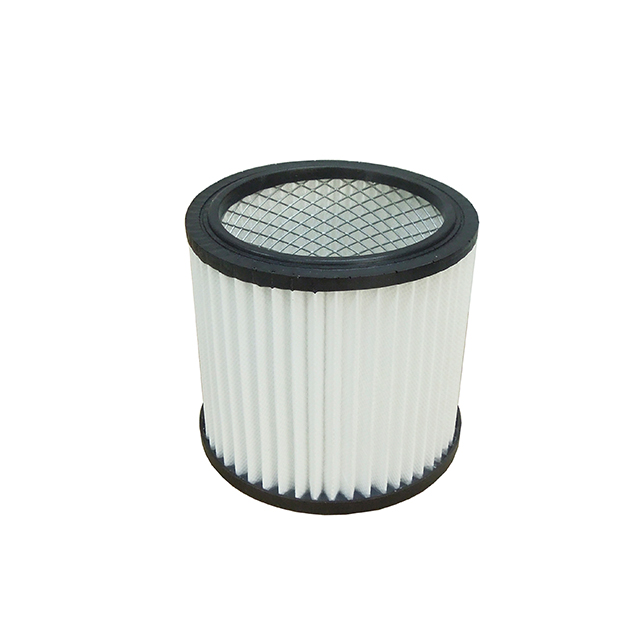
Standard filters degrade quickly under harsh conditions. Repeatedly caking them with dust ruins the delicate material. Scraping them clean physically tears the fibers over time. A self cleaning filter ash vacuum preserves structural integrity beautifully. The media lasts across multiple demanding heating seasons. You purchase fewer replacement filters annually. The long-term financial efficiency easily justifies the initial upgrade price. Good filters represent a recurring expense, so protecting them matters.
These vacuums utilize a sealed, closed-loop system. The primary benefit is keeping the lid firmly shut. You only open it when dumping the main bin outdoors. This mitigates indoor dust storms entirely. Your furniture stays clean, and your lungs remain protected. Reducing airborne mess is absolutely crucial for a healthy home environment. You stop spreading fine soot across your living room.
Some units rely on mechanical vibration systems. They use an internal motorized mechanism or a manual external button. When activated, they physically vibrate the filter pleats aggressively. This rapid shaking knocks the caked ash down into the collection bin. It clears the blocked pores without requiring you to open the canister. It is a highly effective, straightforward mechanical solution.
Other models utilize reverse airflow technology. They redirect the exhaust air directly from the motor. This blasts the filter clean from the inside out. The sudden pressure reversal effectively dislodges stubborn particles trapped deep inside. It restores maximum suction capacity in mere seconds. This pneumatic approach reduces physical wear on the filter fabric.
You must carefully evaluate which mechanism suits your needs. Consider your specific frequency of use first. Assess the actual volume of ash generated by your setup. A heavy-duty fireplace ash cleaner needs robust automatic clearing. Occasional users might prefer a simple push-button manual vibrator. Choose a clearing system matching your seasonal maintenance volume.
System Comparison Table | ||
Mechanism Type | How It Works | Best Use Case |
|---|---|---|
Motorized Shaker | Vibrates filter via internal motor automatically. | Heavy pellet stove usage, large daily cleanups. |
Manual Push-Button | User presses button to snap filter pleats. | Occasional wood stove use, budget-conscious buyers. |
Reverse Airflow | Redirects motor exhaust to blast media outward. | Ultra-fine ash environments, maximum pore clearing. |
Fire-resistant metal mesh filters handle larger debris easily. They protect the system from stray warm embers. True high-efficiency particulate air filtration does much more. It captures microscopic threats before they escape the exhaust. Industry standards require these setups to meet strict safety compliance metrics. Combining metal mesh with fine fabric creates a defensive barrier.
A HEPA ash vacuum provides superior indoor air quality. It actively captures 99.97% of harmful particles. However, these dense filters blind the fastest. Their extremely tight weave traps everything immediately. Self-cleaning technology makes them viable for real-world use. Without active clearing, the tight pores clog instantly. The synergy between these two technologies guarantees both clean air and strong suction.
You must understand the thermal limits of your equipment. The canister and hose feature durable metal construction. They handle residual warmth quite well. However, the delicate inner filters have strict thermal limitations. High heat easily melts synthetic filter media. This destroys the filtration barrier completely. Always verify the temperature ratings before beginning operation.
Self-cleaning refers strictly to filter clearing. It does not mean zero maintenance overall. You must still empty the physical ash manually. The canister will inevitably fill up during the season. Ignoring a full bin damages the unit severely. Dump the contents regularly to ensure optimal performance. A full bin leaves no room for shaken ash to fall.
You must follow strict safety protocols every time. Never vacuum hot or live embers. Even commercial-grade units cannot handle active fires safely. Fireplace ash must cure for 12 to 24 hours minimum. Touching the ash pile should feel completely cold. Ignoring this simple rule creates a massive fire hazard. Oxygenating warm embers triggers spontaneous combustion inside the canister.
Wait 24 Hours: Allow all fires to burn out completely overnight.
Check with a Poker: Stir the bed to reveal hidden warm spots.
Test the Temperature: Hover your hand above the pile to detect radiant heat.
Never Trust Appearances: Gray ash often insulates glowing red coals underneath.
Active airflow directly cools the vacuum motor. A clean filter ensures steady, uninterrupted air circulation. This prevents the motor from overheating during extended jobs. Overheating remains the number one cause of premature vacuum failure. Maintaining the airflow actively protects your investment. Your machine will last much longer when it breathes properly.
Standard vacuums work fine for occasional users. If you only enjoy one or two fires a month, standard is acceptable. They also suit small outdoor fire pits. Ambient dust isn't a primary concern outdoors. You can clean the filter outside without ruining your living room. The lower initial price makes sense for rare, light-duty applications.
Heavy users definitely require an immediate upgrade. Pellet stove owners require frequent, highly precise cleaning. Indoor wood stoves also demand better technology to contain soot. Escaping dust damages expensive furniture permanently. It ruins indoor air quality for your family. If you clean weekly, the self-cleaning upgrade is practically mandatory.
Follow this specific checklist when buying your next unit:
Hose and Nozzle Material: Ensure they feature thick metal construction for safety.
Power Ratings: Verify the minimum amp and CFM ratings for strong suction.
Trigger Type: Evaluate the type of self-cleaning trigger (manual vs automatic).
Filter Specifications: Confirm high-efficiency particulate filtration availability and replacement costs.
Canister Size: Choose a capacity matching your weekly ash output volume.
The premium paid for a self-cleaning ash vacuum is a direct investment. It improves user convenience and extends motor longevity. More importantly, it ensures crucial respiratory safety. The technology prevents the frustration of rapid suction loss. You avoid the messy hazard of banging filters indoors. We encourage you to audit your current fireplace usage volume. Review product specifications for thermal ratings and filter replacement options. Making an informed purchase ensures you enjoy a clean, warm home without the seasonal mess.
A: No. Standard shop vacuums are prone to instant clogging. Their fine dust bags blind within seconds when exposed to microscopic ash. Furthermore, plastic hoses and standard bags present a severe fire hazard if they suck up hidden warm embers. Specialized ash vacuums use metal components specifically to mitigate this risk safely.
A: Expect to replace the filter every one to two heating seasons. This depends heavily on your usage frequency. Self-cleaning technology extends this lifespan significantly compared to manual models. It prevents permanent caking and physical tearing. Always inspect the filter for tears before the winter season begins.
A: Absolutely not. You must never vacuum warm ash. Introducing high-velocity oxygen to warm embers creates a severe fire risk. The self-cleaning feature only clears fine dust from the filter. It does not alter the thermal limits of the filter media. Always ensure the ash cures for 24 hours.