Views: 0 Author: Site Editor Publish Time: 2026-06-03 Origin: Site
Choosing heavy-duty cleaning equipment often creates serious friction during the purchasing phase. You face endless rows of machines boasting inflated marketing metrics. Terms like "Peak HP" dominate the retail packaging. This makes finding truly reliable equipment for heavy-duty cleanup incredibly difficult. These exaggerated numbers mask actual performance capabilities. Buying an inadequate unit leads directly to clogged filters. It results in burned-out motors and highly inefficient cleanups. You need a reliable framework to evaluate real-world suction and structural durability.
This guide provides an evidence-based, skeptical-friendly evaluation framework. It helps you choose a unit perfectly matching your actual operational demands. We focus heavily on sustained power reliability. This reliability remains inherent in a quality electric wet dry vacuum cleaner. You will learn how to look past the marketing hype. You will discover the technical specifications dictating true workplace efficiency.
Airflow over Horsepower: CFM (Cubic Feet per Minute) and water lift are the true indicators of suction performance, not Peak Horsepower.
Material Dictates Application: Choose tank materials based on debris type; plastic resists corrosion from liquids, while stainless steel mitigates static build-up from fine dust.
Filtration is the Failure Point: Failing to match the filter type (e.g., HEPA vs. foam) to the debris causes motor bypass failure and poor indoor air quality.
Supplier Support Matters: Long-term ROI depends on hose compatibility, replacement part availability, and warranty terms.
Selecting the right equipment begins long before looking at product specifications. You must first carefully assess your primary cleaning environment. Different spaces impose entirely different demands on your machinery. Differentiate clearly between light residential garages, demanding professional workshops, and harsh commercial job sites. A residential garage needs a versatile tool for occasional car detailing. A professional workshop requires daily reliability for continuous sawdust or metal shaving removal. Commercial job sites demand supreme physical durability to survive rough handling.
Next, identify your core debris profile. Categorize your typical messes by both volume and material type. Do you primarily handle localized water spills from leaky pipes? Do you face large-scale flooding requiring rapid liquid extraction? Maybe your team manages heavy construction debris like concrete chunks and nails. Perhaps you deal exclusively with ultra-fine drywall dust. Each debris profile dictates a specific machine configuration. Fine dust requires advanced sealing. Heavy chunks require wider hoses.
Finally, establish strict capacity realities. Buyers frequently overestimate usable tank capacity. Advertised tank volume does not equal usable volume. The physical construction limits actual storage space. The heavy motor head extends downward into the bucket. Large internal filters also consume significant internal space.
Consider these three capacity-reducing factors:
Downward displacement from the heavy motor head housing.
Internal clearance required for bulky dry filtration cartridges.
The maximum safe liquid fill line before the float valve engages.
Typically, these internal components consume 10 to 20 percent of the stated space. A 10-gallon tank might only hold eight gallons of actual liquid. Plan your sizing requirements accordingly. Buying a slightly larger tank prevents frustrating interruptions during extensive cleanup sessions.
Understanding technical specifications requires looking past retail packaging. Manufacturers love displaying massive "Peak HP" numbers. You must debunk this peak horsepower myth immediately. Peak HP represents a laboratory metric. It measures the absolute maximum motor startup draw for a fraction of a second. It does not measure sustained cleaning power. A high peak rating tells you nothing about everyday suction capability.
Instead, focus your attention on CFM. CFM stands for Cubic Feet per Minute. Position this as the critical metric for dry debris collection. It measures the sheer volume of air moving through the machine. Higher CFM means faster, more efficient cleanup of sawdust, dirt, and fine particles. If you sweep large areas of dry debris, prioritize a high CFM rating.
Conversely, evaluate Water Lift for liquid tasks. Water lift measures sealed pressure. Position this as the essential metric for wet applications. It calculates how many inches the motor can pull water up a vertical tube. Higher water lift dictates the machine's ability to pull dense liquids upward through the hose. If you extract heavy sludge or deep water, prioritize water lift over airflow.
Specification | What It Actually Measures | Primary Application Type |
|---|---|---|
Peak Horsepower (HP) | Initial electrical surge at startup | Marketing visibility (Ignore) |
Cubic Feet per Minute (CFM) | Total volume of moving air | Dry debris, fine dust, sawdust |
Water Lift (Sealed Pressure) | Raw pulling strength under resistance | Liquid extraction, heavy wet sludge |
Beyond these suction metrics, consider the power delivery factor. Consistent energy flow remains crucial for commercial tasks. This is exactly why a corded wet dry vacuum cleaner remains the industry standard. Sustained, high-draw applications drain batteries rapidly. Battery fade becomes unacceptable when managing large-scale flooding or thick dust. Corded machines deliver unwavering voltage. They ensure your CFM and water lift metrics remain identical from minute one to minute sixty.
The debate over tank materials directly impacts equipment longevity. You generally choose between steel and tough plastics. Both materials serve specific operational environments exceptionally well.
Let us examine metal options first. A stainless steel wet dry vacuum brings distinct professional advantages.
Pros: These tanks are highly durable against heavy physical impacts. Stainless steel naturally dissipates static electrical charge. This grounding capability is absolutely critical for woodworking shops. Moving fine dust rapidly through a hose creates massive static. Steel prevents those painful static shocks. Additionally, metal units present a highly professional aesthetic.
Cons: Steel introduces some drawbacks. These units are significantly heavier to transport between job sites. They remain susceptible to cosmetic denting. Furthermore, metal can eventually rust if corrosive liquids are accidentally left inside for extended periods.
Next, evaluate synthetic tank options. A plastic tank wet dry vacuum utilizes rugged polypropylene.
Pros: Polypropylene tanks remain exceptionally lightweight. This guarantees highly mobile operations across multi-level sites. They are completely impervious to rust and corrosion. This chemical resistance makes them ideal for industrial chemical spills or frequent liquid handling. High-quality plastics also bounce back from blunt impacts without permanent denting.
Cons: Plastic exhibits distinct weaknesses regarding static. Synthetic tanks can build up significant static charge when vacuuming dry materials continuously. Additionally, lesser plastics have a potential for cracking under extreme cold weather conditions.
Apply clear shortlisting logic based on these traits. We strongly recommend plastic for liquid-heavy cleanup. Plastic also excels in highly mobile applications requiring frequent lifting. Conversely, we recommend stainless steel for stationary shop use. Metal remains the undisputed champion for static-prone dry debris operations.
Filtration causes more equipment failures than any other component. You must understand filtration realities to protect your motor. The filter swapping pain point traps countless operators. Users often switch from sweeping sawdust to extracting puddles quickly. They leave the dry paper filter attached. Using a dry paper filter for wet spills causes immediate disaster. The water destroys the paper pleats instantly. Mud coats the engine intake. This leads directly to ruined filters and catastrophic motor damage.
Always highlight units featuring easy-swap or hybrid filtration systems. Modern designs often utilize washable synthetic materials. Some employ dual-filter setups. These innovations minimize user error during rapid task switching.
Next, understand HEPA standards and legal compliance. Not every job requires expensive HEPA filters. Discuss when HEPA is a strict, legal necessity. You must use true HEPA filters for strict OSHA compliance. Collecting dangerous silica dust demands HEPA certification. Remediating lead paint requires absolute filtration precision. HEPA also matters deeply for maintaining indoor air quality in occupied residential spaces. However, standard cartridge filters suffice perfectly for general sawdust or large debris. Over-filtering simple dirt only reduces your effective CFM unnecessarily.
Finally, investigate motor protection engineering. Industrial durability relies on specific internal airflow designs. Quality vacuums use a dedicated bypass motor system. Explain how this architecture functions. A bypass motor keeps the vacuumed dirty air entirely separate. It isolates the debris stream from the motor's internal electrical cooling air. Potential moisture from wet spills never touches the sensitive copper coils. This intelligent separation prevents dangerous electrical shorts. It extends the operational lifespan of the equipment massively.
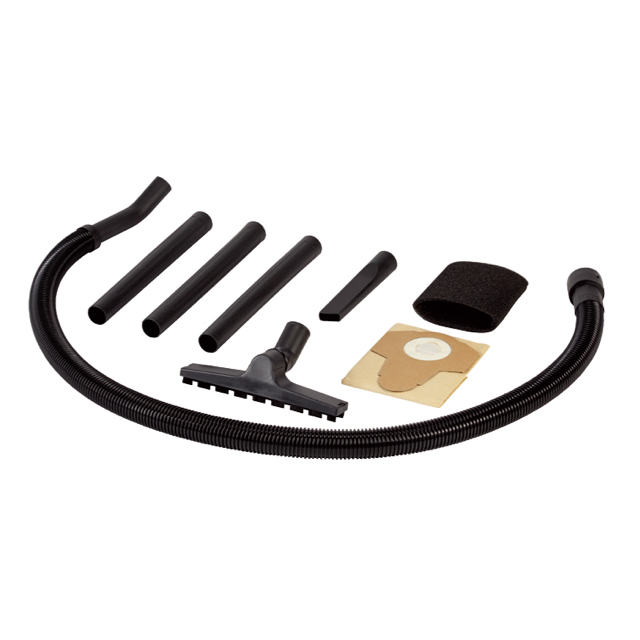
Your purchasing decision extends far beyond the core machine. You must evaluate the surrounding accessory ecosystem. An isolated machine becomes useless without the right attachments. Factor in the strict standardization of hose diameters. Most manufacturers utilize three primary sizes: 1-1/4", 1-7/8", and 2-1/2". Smaller hoses excel at detailing small crevices. Larger 2-1/2" hoses prevent clogging when capturing large construction debris. Verify the availability of specialized attachments for your chosen hose size. Floor squeegees, crevice tools, and brush nozzles dictate daily efficiency.
Assess the durability of all external wear parts closely. Examine the quality of the rolling casters. Heavy liquid tanks require smooth, ball-bearing wheels. Inspect the primary latching mechanisms. Solid metal latches secure the heavy motor head perfectly. Cheap plastic latches warp and leak air over time. Furthermore, scrutinize the power cord length and internal wire gauge. Heavy-duty applications require thick, highly durable electrical cords.
Supplier evaluation criteria deserve serious attention. Do not buy industrial equipment from faceless entities. When finalizing a purchase, look for a dedicated wet dry vacuum supplier. Choose a partner offering transparent, easy-to-read warranty terms. Guaranteed replacement filter supply chains are absolutely non-negotiable. A discontinued filter renders your expensive machine useless. Finally, prioritize responsive B2B or commercial support networks. You need quick resolutions when equipment breaks down mid-project.
Navigating the complex commercial cleaning market requires discipline. Summarize your purchasing decision tree effectively. First, define your exact debris profile and operational environment clearly. Second, ignore flashy Peak HP marketing metrics completely. Base your suction evaluation strictly on CFM and Water Lift. Third, choose the right tank material. Select metal for static reduction or plastic for chemical resistance. Fourth, prioritize robust filtration setups. Demand bypass motor cooling to protect your financial investment.
Encourage your team to finalize their equipment shortlist wisely. Base your final decision on long-term accessory availability. Reliable access to replacement hoses and filters matters most. It matters far more than just finding the lowest upfront purchase price. Equip your workforce with machinery truly built for sustained, demanding performance.
A: CFM measures airflow volume, dictating how fast the machine clears dry debris and fine dust. Water lift measures sealed pulling strength, determining how effectively the vacuum pulls heavy liquids and wet sludge vertically through the hose. Both metrics dictate real-world suction performance far better than horsepower ratings.
A: No. Running the machine without a filter guarantees rapid motor failure. You absolutely must use a foam sleeve for wet applications to block water droplets. You must use a pleated cartridge or collection bag for dry debris to prevent dust from destroying the internal motor bearings.
A: Always utilize the built-in tank drain port on high-capacity models. Dragging or lifting a large tank filled entirely with heavy water invites severe back injuries. Roll the machine to a floor drain or exterior door, open the drain cap, and let gravity empty the liquid safely.
A: Suction loss usually stems from three very common culprits. A heavily clogged dry filter severely restricts airflow. A physical debris blockage stuck inside the hose limits intake capacity. Alternatively, a full liquid tank may have engaged the internal float valve, which automatically shuts off suction to prevent flooding.