Views: 0 Author: Site Editor Publish Time: 2026-10-21 Origin: Site
Managing indoor heating brings a harsh operational reality. You must handle fine, abrasive, and potentially hazardous ash regularly. Doing this improperly ruins indoor air quality. It also destroys standard cleaning equipment quickly. You already know you need a specialized tool for this messy job. This guide exists to help you evaluate your options correctly. We provide the technical criteria needed to make a smart choice. You will learn how to avoid purchasing a unit doomed to fail after just one season. We will explore the core evaluation framework step by step. You will understand thermal safety requirements and filtration efficiency. We also cover application-specific sizing for different stoves. Choosing the right fireplace ash vacuum protects your home. Let us dive into the details.
Standard household or shop vacuums pose severe fire hazards and will suffer motor failure when exposed to micro-fine ash.
Filtration is the primary differentiator: a true HEPA ash cleaner prevents dangerous particulate matter from cycling back into the living space.
Material construction matters: non-combustible metal canisters and metal-lined hoses are non-negotiable for safety.
Your specific heating source (pellet stove vs. traditional wood fireplace) dictates the necessary canister capacity and nozzle attachments.
Ash particles are incredibly tiny. They are significantly smaller than typical sawdust or household dirt. Standard filters allow these micro-particles to bypass the filtration membrane entirely. They enter the motor housing directly. This fine dust degrades the vacuum motor instantly. It also blows toxic particulate matter straight back into your room. You then breathe these hazardous particles.
Thermal hazards present another severe risk. You might think the leftover ashes look completely cold. However, seemingly cold ash can harbor hidden embers for days. Standard vacuums use plastic components and basic paper filters. These standard materials act as highly flammable fuel. Sucking up a hidden ember creates a severe fire hazard inside the canister.
You need a dedicated fireplace cleaning vacuum. We define the baseline success criteria clearly. First, the unit requires purpose-built thermal resistance. Second, it needs sealed micro-filtration to trap fine dust. Finally, the vacuum must feature a specialized airflow design. These elements guarantee safe and effective operation.
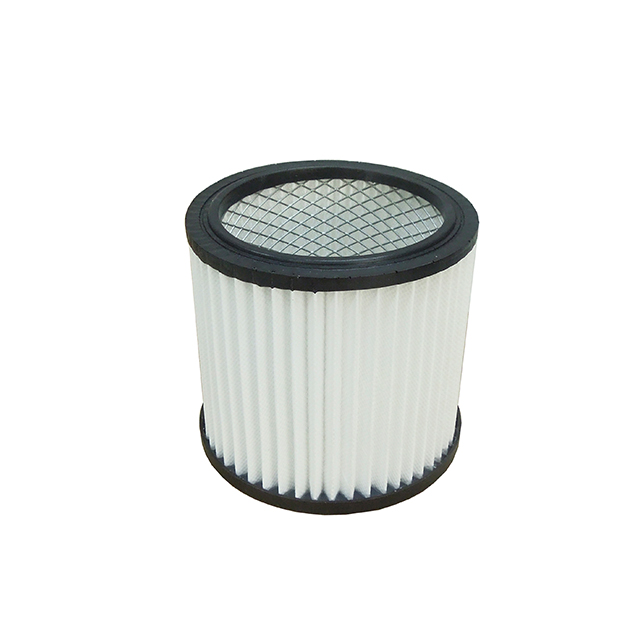
Dual-stage filtration systems provide the best protection. The pre-filter catches large debris first. It stops heavy coals and unburnt wood chunks. The secondary filter then handles the ultra-fine dust safely.
You must understand the exact role of a true HEPA ash cleaner. Buyers must verify the actual HEPA rating. A genuine HEPA filter captures 99.97 percent of particles at 0.3 microns. This strict standard ensures your indoor air quality remains safe.
You should also evaluate internal filter cleaning mechanisms. Many modern units feature external agitators. These clever mechanisms let you clear a clogged filter quickly. You do not even need to open the canister. This keeps the messy dust contained securely inside the unit.
Manufacturers define a cold ash vacuum specifically. They engineer these tools strictly for ash cooled for 12 to 24 hours minimum. You must follow this waiting period religiously.
We must compare these units to warm or hot ash models. Even "warm" rated vacuums have strict temperature thresholds. These safety limits usually hover around 140 degrees Fahrenheit or 60 degrees Celsius. Exceeding this limit melts internal rubber seals.
We advise readers to remain highly skeptical of marketing claims. Distrust any brand promoting a "hot ash" vacuum. No consumer vacuum safely sucks up active, glowing coals. You must let fires die down naturally.
Construction material dictates overall device safety. You cannot compromise on these basic structural components.
Canisters: Manufacturers must fabricate canisters from coated steel or solid aluminum. You must inspect the external latches carefully. Look for tight, heavy-duty metal clips. They maintain proper suction and prevent dangerous dust leaks.
Hoses: You should look for aluminum-lined hoses. Fully metallic hoses wrapped in heat-resistant rubber work best. Avoid any model utilizing standard plastic corrugated hoses. Plastic melts quickly upon contacting a stray ember.
Component | Safe Material Requirement | Dangerous Material (Avoid) |
|---|---|---|
Canister Body | Coated Steel or Thick Aluminum | Standard Household Plastic |
Hose Assembly | Metal-lined or Solid Metallic Core | Corrugated PVC Plastic |
Sealing Gaskets | Heat-Resistant Rubber | Basic Foam Strips |
You must evaluate suction metrics properly. We look at CFM (Cubic Feet per Minute) versus Water Lift. High CFM ensures massive airflow volume. Water Lift measures sheer pulling power. High suction pulls heavy, dense ash from deep fireplace crevices efficiently.
You will face a common trade-off here. Powerful motors housed inside metal canisters are inherently loud. The rigid metal walls amplify internal motor vibrations. Set realistic expectations for operational noise. You prioritize home safety and raw power over quiet operation.
Wood stoves produce high volumes of bulky waste. You need specific design features to handle this output efficiently without constant stopping.
Requirements: You need a larger canister capacity. We recommend looking for 4-gallon capacities or higher. This size handles higher volumes of ash easily. It also accommodates larger, unburnt wood chunks.
Key Feature: A wider hose diameter prevents frustrating clogs. Irregular debris passes smoothly through a wider wood stove ash vacuum nozzle.
Pellet stoves require a completely different cleaning approach. They produce distinct byproducts compared to traditional log fires.
Requirements: You must focus heavily on precision. Pellet stoves generate a very fine, dense dust. They also feature remarkably narrow exhaust chambers. Standard hoses cannot fit into these tiny crevices.
Key Feature: You need specialized micro-nozzle attachments. Slender crevice tools help you reach tight burn pots. They also clean delicate heat exchangers safely.
Below is a summary chart comparing the different requirements based on your primary heating source.
Heating Source | Primary Debris Type | Recommended Capacity | Crucial Attachments |
|---|---|---|---|
Traditional Wood Stove | Bulky ash, large unburnt wood chunks | 4+ Gallons | Wide diameter hose, metal scoop nozzle |
Pellet Stove | Micro-fine dust, dense particulate | 2 to 4 Gallons | Micro-nozzles, slender crevice tools |
All mechanical equipment requires proper maintenance. We want you to understand the operational realities clearly before making a purchase.
The Filter Clogging Reality: We must state a transparent truth. All ash vacuum filters will eventually clog. Fine dust cakes tightly onto the membrane surface over time. Your buying decision should factor in replacement parts. Check the cost and availability of replacement filters before purchasing.
Safe Ash Disposal Protocols: You need a brief operational best practice. Vacuuming represents only half the job. Emptying the canister safely requires extreme caution. Always empty the canister into a metal bucket outdoors. This protocol ensures absolute safety. It prevents lingering embers from igniting your indoor trash bin.
Storage Considerations: These specialized vacuums are quite bulky. You should measure your available closet or garage space beforehand. Consider practical usability features too. Look for generous cord lengths. Integrated cord wrap features make off-season storage much easier.
Budget vs. Longevity: You will see a wide range of prices. We contrast disposable 50-dollar models against 150-dollar commercial-grade models. Cheap models require frequent filter replacements. They usually offer significantly lower suction. Premium models feature washable filters. They utilize highly durable motors built for long-term winter use.
Warranty and Parts: We advise readers to check the manufacturer warranty carefully. Look specifically for clauses regarding motor failure due to dust ingress. Some warranties secretly exclude fine dust damage. Also, verify replacement parts exist. Ensure the manufacturer actively stocks replacement HEPA filters year-round.
Next-Step Action: We recommend measuring your typical ash output first. Track the volume your stove produces in gallons per week. This metric determines the exact canister size you need. Do this simple math before clicking the buy button.
We can summarize the entire decision matrix simply. Prioritize solid metal construction above all else. Demand verified HEPA filtration to trap microscopic particles securely. Finally, ensure proper canister sizing for your specific fireplace or stove.
Treating this appliance as a vital home safety investment makes perfect sense. Do not view it as just a generic cleaning tool. A specialized unit prevents severe property damage. It thoroughly protects your indoor air quality from toxic dust. Follow these technical guidelines to select a reliable machine. It will keep your home warm, clean, and entirely safe all winter long.
A: No. You must follow the 24-hour cooling rule strictly. Seemingly warm embers can spike in temperature when exposed to rapid airflow. Sucking them into the unit risks melting internal rubber seals. It can even start a dangerous canister fire. Always wait for ashes to cool completely.
A: This depends on your specific filter type and usage frequency. Washable or reusable filters can last several seasons if cleaned gently. Standard disposable filters require seasonal replacement. If you use your stove daily during winter, expect to replace disposable filters at least twice a year.
A: You are likely facing a filtration failure. Troubleshoot common issues first. Check for an improperly seated filter. Inspect the unit for a torn filter membrane. Alternatively, you may have purchased a generic unit lacking proper dual-stage filtration. Fine dust will bypass single-stage systems easily.
A: They offer excellent convenience for quick cleanups. However, you must compare this convenience against performance trade-offs. Cordless units typically suffer a noticeable drop in suction power. Battery degradation also occurs frequently during cold winter storage. Corded models remain superior for heavy, weekly maintenance tasks.