Views: 0 Author: Site Editor Publish Time: 2026-09-30 Origin: Site
Removing fine ash is a notoriously messy and potentially dangerous task. It frequently destroys household vacuums and standard shop vacs before you finish the job. Many homeowners severely underestimate the microscopic nature of soot. Sub-micron ash particles easily bypass standard porous filters. They quickly destroy motors and push fine dust right back into your indoor air. Worse, hidden smoldering embers pose severe fire hazards if sucked into non-metal canisters.
A purpose-built ash vacuum cleaner is a necessary safety and maintenance investment for anyone operating a wood stove, pellet grill, or fireplace. This guide breaks down how to evaluate, shortlist, and select the right unit based on thermal safety, filtration capability, and specific use cases. You will learn exactly what specifications matter most for long-term safety and performance.
Standard shop vacuums lack the fire-retardant materials and ultra-fine filtration required for safe ash removal; using them risks motor burnout and house fires.
The two most critical evaluation dimensions are the canister/hose material (must be 100% metal) and the filtration system (must be dual-stage and fire-resistant).
Selecting between a fireplace ash vacuum and a BBQ ash vacuum comes down to capacity needs and nozzle precision.
Always factor in replacement filter availability and warranty terms when evaluating an ash vacuum manufacturer.
Many people attempt to clean their hearths using standard garage equipment. This approach almost always ends in disaster. Standard utility vacuums simply cannot handle the unique physical properties of burnt wood. We must examine exactly why these machines fail so catastrophically.
Fine ash particles behave entirely differently from typical household dirt. Wood ash often measures under 1 micron in size. It resembles a fine, powdery liquid more than solid debris. Standard porous paper filters act like sieves against these microscopic particles. The ash instantly clogs the paper pores. This causes rapid suction loss. As the filter chokes, the vacuum motor strains to pull air. It overheats quickly. In many cases, fatal motor burnout occurs within minutes of operation.
Homeowners often misunderstand the concept of "cold ash." Coals can smolder silently for up to 72 hours beneath a deceptive layer of grey powder. They look completely dead. However, vacuuming them into a plastic shop-vac bin creates a highly dangerous scenario. Standard airflow acts exactly like a blacksmith's forge. It aggressively feeds oxygen to the hidden coal. The intense heat instantly melts the plastic unit. This creates an immediate, severe fire hazard right inside your home or garage.
Improper sealing on standard vacuums introduces another severe risk. Utility vacuums rarely feature airtight gaskets around their lids. When they process sub-micron soot, they aerosolize hazardous fine particulate matter. They blow this toxic dust directly back into the living space or patio. You end up breathing hazardous compounds. This aggressive blowback ruins furniture, coats walls in soot, and causes severe respiratory irritation.
You must evaluate specialized cleaning equipment across several strict engineering parameters. Safety remains the absolute highest priority. A true electric ash vacuum utilizes specific materials and architectural designs to manage heat and microscopic dust safely.
A specialized unit requires extreme thermal resistance. You should never compromise on material quality. Consider these mandatory baseline requirements:
Nozzle Construction: It must utilize an aluminum or steel nozzle.
Hose Design: It requires a metal-lined hose to prevent internal melting.
Canister Material: It must feature a solid steel canister to contain accidental heat safely.
You must actively reject models featuring plastic housing near the intake port. Avoid cheap rubber hoses entirely. They melt upon contact. They fail instantly when processing a rogue hot ember.
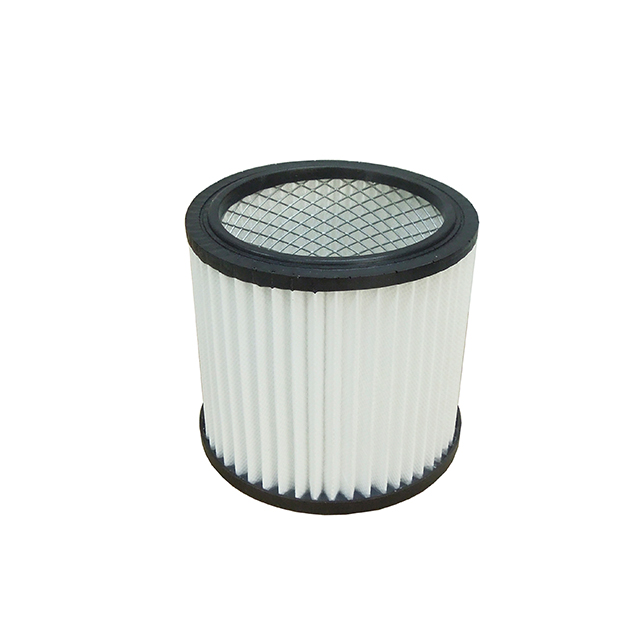
Filtration separates a safe tool from a hazardous toy. Look exclusively for a dual-stage system. A high-quality unit uses a metal mesh pre-filter first. This robust shield blocks larger debris and warm embers. It protects the delicate secondary filter. The system then relies on a fire-resistant HEPA or ultra-fine pleated filter. This secondary layer captures the microscopic dust.
Maintenance convenience also matters greatly. Seek out easy-clean mechanisms. External filter agitators represent a massive upgrade. They allow you to shake off internal clogs without opening the canister. This keeps the toxic dust safely trapped inside.
Raw power is meaningless if the unit lacks control. Evaluate Amp and Watt ratings for suction consistency. You generally want a motor requiring between 4 to 10 Amps. This provides optimal lift. It lifts heavy debris without creating overly aggressive airflow. Excessive suction stirs up the firebox. It causes unnecessary soot clouds.
Seal integrity prevents indoor pollution. Look closely at the hardware. Heavy-duty lid latches secure the top tightly. Thick rubber gaskets ensure zero dust leakage. They lock the microscopic particles securely inside the metal drum.
Your specific cleaning environment dictates the ideal machine profile. An indoor hearth requires different tooling compared to an outdoor smoker. You must match the machine's physical footprint to your primary use case.
Indoor wood stoves and traditional hearths generate massive amounts of debris. A dedicated fireplace ash vacuum must handle heavy seasonal workloads.
Success Criteria: You need high capacity. Aim for 4 or more gallons. You require wide metal nozzles. They easily swallow larger charred wood chunks. Long power cords provide necessary indoor maneuverability around large hearths.
Implementation Focus: Your primary goal involves handling large volumes of ash post-winter burning season. You need a workhorse capable of clearing a deeply filled firebox quickly.
Outdoor cooking appliances present a completely different challenge. They produce less volume but require extreme precision. A dedicated BBQ ash vacuum prioritizes agility over sheer size.
Success Criteria: You need a smaller footprint. A 2 to 3-gallon tank stores easily in a garage or patio cabinet. You absolutely need specialized crevice tools and micro-nozzles.
Implementation Focus: Your goal involves reaching into tight pellet burn pots. You must navigate around greasy grill grates safely. You want to extract every bit of dust without dismantling the entire smoker.
Review this technical summary to identify your exact hardware requirements based on your primary application.
Application | Ideal Capacity | Nozzle Requirements | Primary Challenge |
|---|---|---|---|
Indoor Fireplace / Wood Stove | 4+ Gallons | Wide metal intake | High volume debris, large wood chunks |
Pellet Grills / Smokers | 2 - 3 Gallons | Micro-nozzles, crevice tools | Tight spaces, navigating complex grates |
Owning the right equipment only solves half the problem. User behavior dictates the ultimate lifespan of the machine. You must adopt strict operational protocols to ensure safe and effective cleaning.
We must reinforce the strictest operational rule in this industry. Even with advanced thermal protections, you must let the debris cool. Ash should sit for a minimum of 12 to 24 hours. These vacuums are engineered strictly for warm to cold ash only. You must never vacuum live coals. Disregarding this rule voids warranties and invites catastrophic hardware failure.
Assume filters will clog eventually. This is an unavoidable reality of handling microscopic soot. Proper maintenance extends filter life significantly.
Outdoor Tapping: Always tap out your filters outdoors. Gently knock the pleated filter against the inside of a trash can. This safely dislodges the caked-on powder.
Washing Precautions: Some manufacturers allow washing. If you wash the filter, exercise extreme caution.
Mandatory Drying: You must dry the washed filter completely before reinstalling it. Even a slightly damp filter spells disaster. Moisture turns the fine powder into a cement-like paste. This hardens and ruins the filter permanently.
Many users panic when they experience small shocks during operation. Vacuuming fine dust naturally creates static electricity. The friction of millions of microscopic particles generates a substantial charge. Quality metal-canister vacuums physically ground this charge. They disperse the energy safely. Cheaper models lack this grounding pathway. They may cause minor, annoying static shocks during heavy use. Always ensure your machine sits on a grounded surface if possible.
Do not simply buy the cheapest option available online. You are purchasing a safety device. The brand behind the product matters deeply. You must evaluate the ash vacuum manufacturer just as rigorously as the machine itself.
A vacuum becomes instantly useless if proprietary replacement filters are discontinued. Filters represent consumable items. They require eventual replacement. Prioritize brands with easily accessible replacement filters. Standard-sized filters save you massive headaches later. Check their website before buying. If replacement filters look frequently out of stock, choose a different brand.
Never rely solely on marketing claims regarding thermal safety. Look for independent testing marks. UL, ETL, or CE certifications verify the motor and electrical safety. These independent labs test the units under extreme stress. A proper certification badge proves the manufacturer invested in genuine safety engineering. It separates professional tools from cheap imitations.
Evaluate the warranty terms specifically regarding motor burnout. This component represents the highest point of failure. User error often causes this damage. For example, vacuuming wet material destroys the motor quickly. Read the fine print carefully. Determine if the warranty covers realistic operational scenarios. A robust warranty demonstrates the manufacturer's confidence in their internal seals and motor quality.
An ash vacuum cleaner is fundamentally a safety device and a highly specialized maintenance tool. It prevents deadly house fires and protects your indoor air quality. It spares your daily household vacuum from certain destruction.
When shopping, always prioritize heavy-duty metal construction and proper dual-filtration over novelty features or extreme suction power. The ability to safely contain heat and trap sub-micron particles remains the most critical function. Do not compromise on steel canisters or fire-resistant HEPA filters.
Your next steps are straightforward. First, measure your typical debris volume. Compare a weekend BBQ workload against daily wood stove use. This determines your necessary canister size. Second, verify the replacement filter costs before pulling the trigger. Making an informed decision now guarantees years of safe, effortless hearth and patio maintenance.
A: No. Even with a HEPA filter attached, standard shop vacs lack metal hoses and fire-retardant internal components. They cannot contain accidental heat. Using them risks catastrophic failure from hidden hot embers melting the plastic bin.
A: Cordless models offer excellent convenience for quick outdoor BBQ cleanups. However, an electric unit provides the sustained, fade-free suction required for deep cleaning large fireplace hearths after a long winter burning season.
A: It depends heavily on your frequency of use. For seasonal daily fireplace users, you should replace it annually. For occasional BBQ use, replace it every 2-3 years, provided you regularly tap it clean and keep it dry.