Views: 0 Author: Site Editor Publish Time: 2026-07-08 Origin: Site
Selecting a commercial vendor requires careful thought and extensive research. It is not just a standard transactional purchase. You are building a critical supply chain partnership. This decision directly impacts your operational downtime. It also affects your daily workflow efficiency. Modern procurement demands a major shift in strategy. We must stop evaluating only standard technical specifications. Buyers need to verify long-term equipment reliability. You must check compliance standards and production scalability. A weak partner causes frequent machine breakdowns. They introduce severe safety hazards into your facility. Evaluating potential vendors properly prevents these expensive disruptions. This article introduces a practical evaluation framework. We designed it for serious procurement teams. Facility managers will also find it highly useful. You will learn how to assess factories accurately. We help you separate truly reliable partners from basic, unverified vendors.
Manufacturer evaluation must extend beyond unit cost to include lifecycle performance, warranty terms, and spare parts availability.
A verifiable quality control process and adherence to industry standards (e.g., ISO, ISSA guidelines) are non-negotiable for commercial deployment.
Partnering with a specialized factory ensures targeted expertise, whether sourcing heavy-duty industrial vacuums or specialized outdoor maintenance tools.
Global sourcing requires a structured scorecard to assess logistics, communication, and international compliance.
Start by defining long-term operational value. Shift your focus away from upfront procurement costs. Look closely at daily maintenance frequency. Evaluate the energy efficiency of the machines. Measure the expected equipment lifespan. Cheap initial prices usually hide expensive maintenance requirements. These hidden expenses destroy your budget over time. Evaluating lifespan performance saves money.
Map your equipment needs to your specific environment. Different environments present unique operational hazards. Assess if workers face hazardous dust daily. Identify any high-moisture areas in your facility. A standard commercial footprint requires basic features. A heavy industrial zone demands rugged durability. You must match the machine design to your specific floor plan. Consider noise level restrictions in populated office buildings. Measure required power cord lengths for large warehouses.
Define your specific capacity and scalability goals. Understand your Minimum Order Quantities (MOQs). Assess your peak season production capacity needs. You need a partner offering lead time flexibility. Clear baseline criteria make the vetting process much smoother. Determine exactly what success looks like. Set measurable goals for machine uptime. Establish acceptable thresholds for repair frequency. You establish a strong procurement foundation this way.
You must evaluate factory core competencies. Determine whether a facility manufactures its own core components. Do they build their own bypass motors? Do they mold their own plastic casings? Or do they merely assemble parts from other suppliers? Assembly-only plants often struggle. They cannot enforce strict quality control easily. True manufacturers invest heavily in metal stamping and motor winding equipment.
Evaluate specific supplier categories carefully. Specialization indicates deeper technical expertise. When selecting a reliable wet dry vacuum supplier, look for key metrics. Demand high IPX waterproof ratings. Motor durability is absolutely essential for liquid recovery. Check tank material standards carefully. Compare stainless steel against high-density polyethylene options. Stainless steel resists harsh chemicals better. Polyethylene resists denting during rough transport.
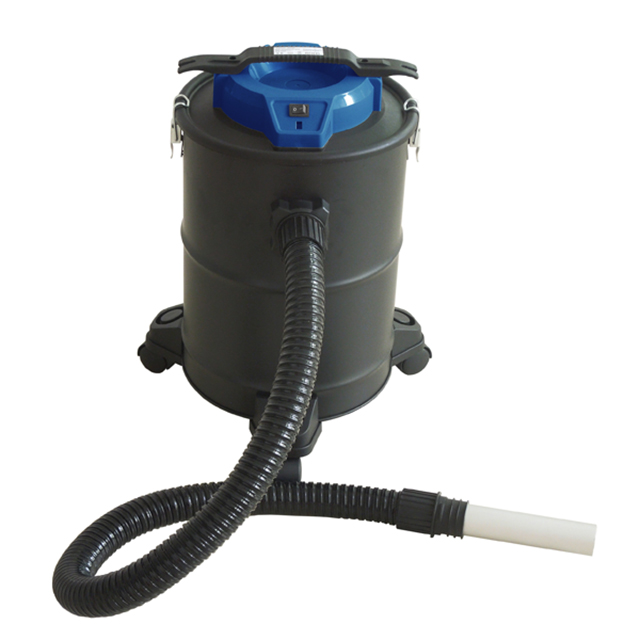
Your requirements change for fire-hazard environments. If you need a trustworthy ash vacuum factory, demand proof of specialized filtration. They must offer genuine HEPA filters. Fire-resistant filters are completely mandatory. Thermal protection features prevent catastrophic equipment fires. Ash particles destroy standard motors instantly. Specialized factories understand these microscopic dust challenges.
Outdoor and aquatic environments require different engineering. When reviewing a pond cleaner supplier, assess submersible mechanics. They need robust continuous discharge systems. Electrical safety in aquatic environments is absolutely critical. A failure here causes severe safety risks. Examine their Ground-Fault Circuit Interrupter (GFCI) implementations. Confirm their impeller designs can handle heavy pond sludge.
Verify their R&D bandwidth thoroughly. You must assess OEM and ODM capabilities. You might need custom branding. Your market may require tailored product modifications. Ensure the factory can handle exclusive design agreements. They need engineers on staff to modify blueprints. Ask about custom tooling costs upfront.
Create a strict checklist for verifying safety marks. You need proper certifications for your destination market. Look for CE or RoHS marks in Europe. Demand UL or ETL certifications for North America. Never accept verbal claims without verifiable documentation. Fake certificates are common in global sourcing. Customs agents will seize uncertified equipment at the border. Always verify document registration numbers directly through the issuing laboratory.
Cross-reference manufacturer claims using recognized benchmarks. Rely on independent industry performance testing. Use ISSA standards to verify cleaning efficacy. Independent lab testing confirms true operational safety. You need data, not marketing promises. Ask for specific soil removal percentages. Request continuous-run motor lifespan test results.
Examine their in-house quality control procedures. A strong QC program contains multiple distinct phases.
Incoming material inspection protocols must be strict. They must reject poor raw materials immediately. Copper wire purity impacts motor life.
In-line production testing should occur daily. This monitors active defect rates during assembly. Workers must test switch panels and seal integrity continuously.
Pre-shipment inspection routines must be mandatory. This happens before any container leaves the facility. They must perform drop tests and final suction checks.
Reliable factories always welcome third-party audits. Check if they allow SGS inspections. See if TÜV auditors can visit the production line. This transparency proves their commitment to quality. Beware of factories refusing outside inspection. Hidden production floors usually mean compromised safety standards.
Navigating the overseas ecosystem requires extreme diligence. You must differentiate between trading companies and direct factories. Conduct comprehensive factory audits. Verify their registered business licenses carefully. Look at their registered capital and official business scope. A reputable China cleaning equipment manufacturer will gladly show you their active production lines. They will introduce you to their lead engineers.
Evaluate communication and project management skills. Test the daily responsiveness of their export team. Ensure they have high English proficiency. They must translate technical documentation accurately. Good time-zone management keeps your projects on schedule. Late replies delay critical production milestones. Clear communication prevents costly manufacturing errors. Test their ability to handle complex technical questions via video calls.
Analyze their overall supply chain resilience. Look at their proximity to raw material hubs. Are they close to motor supply chains? Do they have access to quality injection molding plastics? Being near major shipping ports mitigates logistical delays. Shorter inland transport routes reduce your shipping costs significantly.
Comparing Vendor Structures | ||
Evaluation Criteria | Direct Manufacturer | Trading Company |
|---|---|---|
Pricing Structure | Factory direct pricing, lower margins | Middleman markups applied |
Customization Control | High OEM/ODM R&D capability | Limited technical input allowed |
Communication Speed | Direct access to factory engineers | Significant middleman translation delays |
Accountability | Direct responsibility for defects | Shifts blame to hidden factories |
Quality Consistency | Controlled internal QC systems | Varies depending on outsourced facility |
A comprehensive spare parts Service Level Agreement is vital. Guaranteed spare parts inventory is a critical metric. This minimizes your costly commercial downtime. If a machine breaks, you need replacement parts immediately. Without parts, an expensive machine becomes useless plastic. Demand a written guarantee regarding part availability. Ask how many years they stock parts after a model retires. Five years is a standard benchmark for commercial tools.
Scrutinize the fine print of warranty terms. Understand exactly what actions void the warranty. Using unapproved chemicals often voids coverage. Ask how they handle defective units internationally. Often, shipping broken units back is simply too expensive. A good partner sends replacement components directly. They may require video evidence to approve claims. Clarify this submission process before signing any purchase order.
Check the availability of training and documentation. You need highly detailed user manuals. Request exploded view maintenance schematics. Technical support response times must be exceptionally fast. Good suppliers offer video troubleshooting guides. They train your local maintenance teams remotely. Poor documentation leads to incorrect assembly. Incorrect assembly causes premature motor burnout and safety hazards.
Always request the right physical samples. You should pay for actual production-grade samples. Never accept standard "golden samples". Golden samples are hand-polished prototypes. They do not reflect mass production quality. You need off-the-line units for accurate testing. Test the exact model you intend to buy. Do not accept a similar substitute model for evaluation.
Structure your Request for Proposal carefully. Demand key data points in your RFP document. Ask for a detailed component sourcing breakdown. Require exact production lead times in writing. Request proof of ISO 9001 certification. Ask about their maximum monthly production capacity. You need to know if they can handle your peak season orders.
Implement mandatory pilot testing. Do not skip this crucial step.
Set up a rigorous 30-day field test.
Deploy the equipment in your actual commercial environment.
Monitor daily wear and tear closely.
Track operator feedback regarding machine ergonomics.
Document any minor component failures immediately.
Measure real-world battery life or power consumption.
Only commit to bulk MOQs after this pilot test succeeds. Field testing reveals flaws hidden during standard laboratory checks. Operators will quickly identify poor handle designs or weak wheel casters.
A thorough evaluation process minimizes supply chain risk. It prevents severe operational bottlenecks down the line. Weigh transparency and communication equally against technical specifications. A factory might boast great specs but offer terrible service. Do not settle for poor communication. Download a vendor scorecard template today. Request a consultation to begin your vetting process. Submit an RFP to your shortlisted candidates immediately. Selecting a top-tier cleaning equipment manufacturer elevates your entire maintenance operation. Build partnerships based on verified facts. Your business deserves reliable equipment.
A: A typical production cycle takes 30 to 45 days. This timeline depends heavily on raw material availability and order volume. Shipping transit times add another 20 to 40 days based on the destination port. You must factor in these realistic timelines when planning seasonal inventory procurement.
A: Always request official certification numbers directly from the supplier. You can verify these credentials by searching official databases of testing laboratories like UL, ETL, or TÜV. Genuine safety certificates will always match the manufacturer's exact registered business name and specific product model.
A: Yes, most specialized factories offer comprehensive OEM and ODM services. They can adjust motor power, upgrade filtration grades, and alter casing designs to match local needs. Keep in mind custom molds and tailored tooling will incur additional upfront engineering costs.
A: Extremely low-cost suppliers often compromise on internal components to save money. You risk frequent motor burnout, poor waterproof sealing, and severe electrical compliance failures. A lack of reliable replacement parts drastically shortens equipment lifespan, leading to much higher replacement expenses over time.