Views: 0 Author: Site Editor Publish Time: 2026-06-03 Origin: Site
Keeping your vehicle interior pristine requires more than a standard household vacuum. These daily devices lack the suction power and moisture tolerance needed to handle tough automotive environments. Embedded sand, stubborn pet hair, and unexpected liquid spills demand heavy-duty solutions. A specialized wet dry machine bridges the gap between basic dry maintenance and professional-grade deep extraction. Relying on improper tools often leaves dirt trapped in the carpet pad. Implementing a systematic wet and dry cleaning process allows for professional detailing results at home. It prevents hidden mold growth beneath the mats and extends your upholstery lifespan. In this guide, you will learn the exact steps to prep your machine and agitate deep stains. We will cover the crucial techniques to extract liquids safely and effectively.
Standard dry vacuums cannot extract liquids or shampoo residue; attempting to do so risks motor failure.
Proper filter management—switching from a pleated paper filter to a foam sleeve—is the critical failure point in wet/dry operation.
Effective wet extraction requires a pre-treatment of automotive fabric cleaner and an extraction nozzle for maximum lift.
When evaluating a portable vacuum for vehicles, prioritize peak horsepower (HP) and specialized automotive attachments over raw tank capacity.
Traditional 12V vacuums plug directly into vehicle dashboard outlets. They offer decent convenience for quick surface pickups. However, these small devices suffer from severe dry pick-up limitations. They lack adequate static water lift. Static water lift measures the actual pulling force of the machine. Dense automotive carpeting clings tightly to sand and small debris. You need high static lift to break this bond. A standard car vacuum cleaner simply leaves heavy particles buried deep inside the carpet pile.
The defining feature of a wet dry unit is its liquid recovery system. Standard models route all incoming air and dust straight through the motor assembly. Introducing water into this system causes immediate electrical failure. Wet dry units use a distinct bypass motor design. They separate the incoming liquid from the electrical components. This mechanic allows users to spray upholstery shampoo directly onto dirty seats. You can then agitate the fabric and extract the dirty water. Standard models completely miss this crucial detailing capability.
Professional interior detailing carries a high premium. Detailers charge heavily for deep stain extraction and odor removal. Purchasing a dedicated wet dry machine requires an initial upfront expense. However, it pays for itself rapidly. Performing just two interior deep cleans per year covers the machine price. You gain the freedom to handle unexpected spills immediately. Swift extraction prevents permanent stains from setting into the fabric.
You must configure your machine correctly before attempting interior restoration. Proper setup separates a successful detail job from a ruined machine. Wet dry car cleaning demands strict attention to internal components.
Filter swapping represents the most critical operational reality in auto detailing. Machines ship from the factory holding a pleated paper filter. This paper component handles dry dust, drywall particles, and loose dirt. Vacuuming liquids through a paper filter ruins it instantly. The paper turns to mush and collapses. Worse, it restricts airflow and overheats the motor.
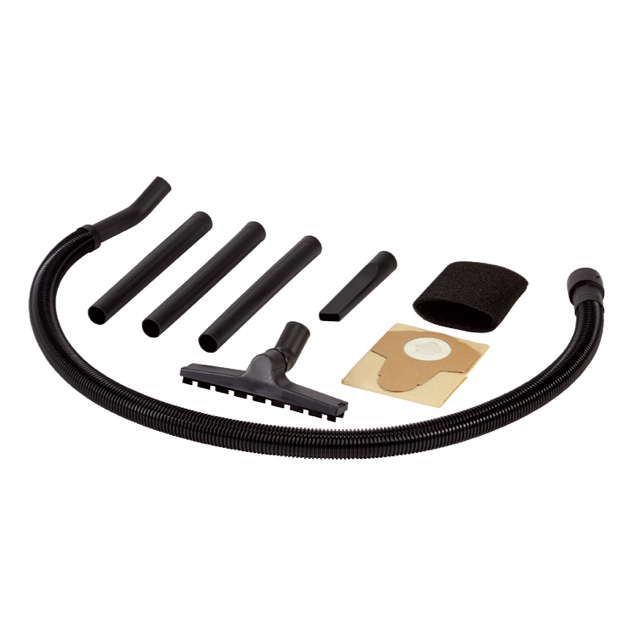
You must remove the dry paper filter before touching any liquids. Install a dedicated wet foam sleeve in its place. The foam sleeve blocks larger debris from entering the motor fan. It safely lets water pass into the collection tank. This simple swap protects your motor from catastrophic moisture damage.
Success depends heavily on selecting the correct nozzle. Broad floor attachments work poorly in cramped vehicle interiors. Map these specific nozzles to their proper automotive use cases:
Crevice Tool: Use this slender attachment for tight seat rails. It easily navigates narrow center console gaps.
Dusting Brush: Apply this soft-bristled tool to dashboard vents. It cleans delicate plastic screens without leaving scratches.
Claw/Utility Nozzle: Rely on this wide tool for floor mats. It covers broad trunk carpets efficiently while providing strong suction.
Using high-powered corded models near standing water requires caution. Always plug your machine into a GFCI-protected outlet. Keep the machine body on dry concrete while cleaning. Inside the collection tank, a plastic float valve monitors water levels. The float rises as liquid fills the drum. It eventually blocks the suction intake to prevent overflow. Always ensure this float valve moves freely before starting your extraction process.
Skipping the dry phase pushes loose dirt deeper into the fabric during wet extraction. You must remove all dry debris first. Follow this systematic approach for maximum efficiency.
Start by removing all bulky floor mats from the vehicle. Place them on clean driveway concrete. Pick up large trash, wrappers, and coins by hand. Leaving bulk items behind guarantees a clogged hose. A blocked hose instantly kills your suction power and stresses the motor.
Gravity pulls dirt downward during the cleaning process. Always start cleaning at the highest points. Attach your soft dusting brush. Vacuum the headliner, upper dashboard, and air conditioning vents. Move down to the leather or cloth seats. Any loose dirt will naturally fall to the floorboards. You will collect this fallen debris in the final dry stage.
Floor carpets endure the heaviest contamination. Simple suction rarely removes stubborn pet hair or tracked-in mud. You must agitate the fibers mechanically. Hold a stiff-bristled detailing brush in one hand. Hold the utility nozzle in your other hand.
Scrub the carpet aggressively using the stiff brush.
Lift the embedded sand and hair to the surface.
Follow closely behind the brush using your vacuum nozzle.
Capture the loosened debris immediately before it settles.
Common Mistake: Rushing the dry phase often creates muddy carpets later. Take your time to extract every grain of loose sand.
Once you finish dry vacuuming, you can target embedded stains. Coffee spills, mud stains, and sweat odors require wet extraction.
Spray a dedicated automotive upholstery shampoo generously over stained seats or mats. Do not flood the cushion. Apply just enough chemical to saturate the top layer of fabric. Allow the cleaner to dwell for three to five minutes. The chemicals need time to break down heavy greases. Next, agitate the fabric aggressively. Use a drill brush attachment or a stiff manual hand brush. This scrubbing action lifts dirt into the chemical suspension.
Now you deploy your wet dry vacuum for car cleaning. Install the wet foam filter. Attach a clear extraction nozzle if available. Firmly press the extraction nozzle directly into the wet fabric. Apply moderate downward pressure. Pull the nozzle slowly toward your body in a straight line. You will see dirty brown water lifting out of the seat. Overlap your passes slightly. Continue pulling liquid until no more moisture appears in the nozzle window.
Managing residual moisture dictates the final quality of your detail job. The machine extracts the vast majority of the liquid. However, the seat cushions will remain slightly damp to the touch. You must manage this implementation reality correctly. Leaving wet seats inside a sealed car guarantees mildew growth within 24 hours.
Always roll down all windows completely. Place a high-velocity air mover or box fan blowing across the seats. Park the vehicle in direct sunlight if possible. Proper cross-ventilation dries the upholstery quickly and prevents musty odors.
Choosing the correct machine simplifies the entire detailing process. Buyers often get confused by marketing jargon and irrelevant specifications. You must match the tool to your specific driveway setup.
Corded models plug into standard wall outlets. They provide continuous, unlimited suction power. They excel at deep stain extraction projects spanning several hours. Conversely, a cordless car vacuum runs on lithium-ion batteries. These models offer ultimate mobility. You can clean your car safely away from electrical outlets. They serve apartment dwellers perfectly. However, battery life limits heavy extraction times. You trade sustained runtime for maximum convenience.
Tank capacity determines the physical footprint of the machine. Large 10-gallon to 16-gallon shop machines handle flooded basements well. They are incredibly cumbersome for automotive interiors. They bang against car doors and tip over on driveways. A smaller 2-gallon to 3-gallon tank acts as an ideal portable vacuum for vehicles. Small tanks maneuver easily around tires. You rarely extract more than a gallon of liquid during car detailing anyway. Smaller units preserve your garage storage space.
Look past flashy marketing claims. Focus entirely on Peak Horsepower (HP) and hose diameter.
Specification | Standard Shop Use | Ideal Automotive Spec | Why It Matters for Cars |
|---|---|---|---|
Peak HP | 1.5 to 2.5 HP | 2.5 to 5.0 HP | Provides adequate static lift to pull heavy moisture from dense seat foam. |
Hose Diameter | 2.5 inches | 1.25 to 1.875 inches | Narrower hoses maintain higher air velocity. They fit easily between seats. |
Tank Size | 10+ Gallons | 2 to 5 Gallons | Ensures maximum portability around the vehicle exterior. |
Large 2.5-inch hoses frequently frustrate users. They lack the flexibility needed to snake around steering wheels and pedals. Always prioritize narrower hoses for interior vehicle maintenance.
Audit your available garage space before making a purchase. Check your outdoor power outlet availability. If you lack nearby outlets, lean toward a high-voltage battery unit. If you demand maximum extraction power, select a compact corded unit featuring at least 3.0 Peak HP.
Achieving professional interior detailing results at home requires the correct equipment. The effectiveness of any machine relies entirely on proper setup. You must swap to a foam filter for liquids. Systematic execution ensures success. Always perform a thorough dry vacuum pass before introducing shampoos. Attempting wet extraction without dry prep creates a muddy mess. Investing in a specialized unit featuring the right horsepower transforms your maintenance routine. Utilize auto-specific attachments to reach tight crevices. Combining mechanical agitation with powerful suction provides the highest rate of success. You will preserve your vehicle upholstery, eliminate odors, and maintain a healthier cabin environment.
A: No. Regular household vacuums lack bypass motors. Pulling water into a standard unit directs liquid straight into electrical components. This causes immediate motor failure and creates a severe electrocution hazard. You must use a dedicated machine designed specifically for liquid recovery.
A: Yes, you must remove the standard pleated paper filter. Liquid destroys the paper instantly. You must replace it by installing a wet foam sleeve filter. The foam sleeve protects the motor from splashing water while allowing liquid to enter the tank safely.
A: A rating between 2.5 and 5 Peak HP represents the ideal sweet spot. Machines dropping below 2.5 HP struggle to pull heavy sand out of floor mats. Machines exceeding 5 HP provide excellent suction but often become too bulky for easy driveway maneuvering.
A: Yes, provided you choose a high-voltage model. Modern 18V and 20V systems from major tool brands generate adequate static lift for stain extraction. However, battery life drains rapidly during heavy wet pulling. Keep spare batteries charged for extended detailing sessions.