Views: 215 Author: Site Editor Publish Time: 2025-12-18 Origin: Site
Vacuum cleaners are essential tools for maintaining a clean home, but the effectiveness of your vacuum largely depends on the type of attachments and accessories you use. Among these, the vacuum brush is one of the most versatile and powerful tools in your vacuum’s arsenal. However, knowing when to use a brush on your vacuum can make all the difference in achieving optimal results on different surfaces and for different cleaning tasks. In this guide, we will break down the core benefits of using a vacuum brush, discuss the best times to use it, and how it can enhance your cleaning routine. Whether you are cleaning hardwood floors, carpet, or laminate floors, the right vacuum brush can make your tasks easier and more efficient.
The vacuum brush is more than just a simple tool; it plays a crucial role in ensuring that dirt, dust, and debris are thoroughly removed from various surfaces. Unlike standard vacuum heads, a brush attachment often includes rotating bristles that help agitate dirt and dust that may be deeply embedded within carpet fibers or settled on hardwood floors. When used correctly, it can drastically improve cleaning efficiency.
Vacuum brushes are particularly beneficial when cleaning carpets or deep cleaning any surface. Their bristles are designed to work in tandem with your vacuum’s suction power, effectively lifting dirt, debris, and hair that might otherwise be left behind. Additionally, they are ideal for getting into crevices and corners, ensuring a more thorough clean than a standard flat nozzle can provide.
If you are wondering whether to use a brush on your vacuum, consider the type of surface you're cleaning. Different types of brushes—soft bristle, hard bristle, or even anti-tangle—are suited for specific floor types and cleaning tasks.
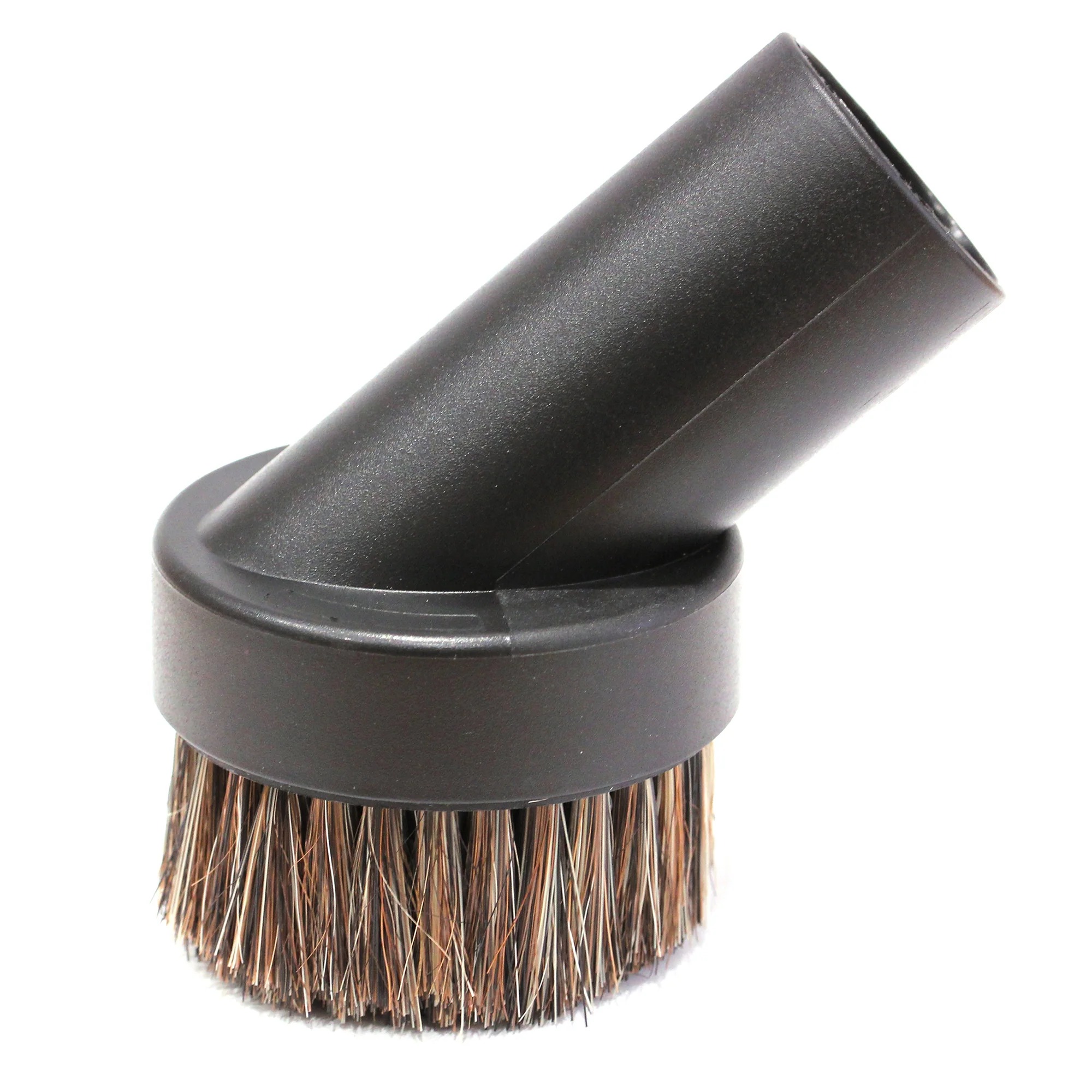
Hardwood floors are a beautiful addition to any home, but they require careful maintenance to ensure they remain in good condition. Using the wrong cleaning tools, especially on hardwood, can lead to scratches, dents, or a dulled finish. This is where a soft bristle vacuum brush becomes essential.
Unlike a traditional vacuum head that may be too abrasive for delicate wood surfaces, a soft bristle vacuum brush gently agitates dust and debris without causing damage to the finish of the floor. These brushes are perfect for removing fine dust and pet hair without leaving behind any scratches. Moreover, they ensure that the floor remains unscathed while providing a deeper clean than a flat nozzle could ever achieve.
When vacuuming hardwood floors, make sure your vacuum brush is set to a low or medium suction level to avoid scratching the surface. Always check the brush’s bristles to ensure they are not worn out, as worn bristles could damage the floor. The adjustable settings on your vacuum can help you customize the intensity based on the type of wood and debris.
When dealing with soft surfaces like area rugs, delicate upholstery, or hardwood floors, the texture and material of the brush bristles matter a great deal. For these surfaces, a soft bristle vacuum brush is essential. The bristles of these brushes are designed to pick up dirt and debris without causing any damage to the fibers or finishes. Using a stiff brush on these surfaces could result in scratches, fraying, or a compromised appearance.
Soft bristles are gentle enough to avoid damage, yet effective enough to pick up dirt, dust, and hair. This makes them ideal for everyday maintenance. Furthermore, soft bristle vacuum brushes often come with a motorized head that rotates to help dislodge stubborn dirt and pet hair from soft surfaces like carpets and upholstery.
In some cases, you may need to adjust the brush’s rotation speed to match the floor type. For example, when cleaning area rugs, it's important to use the lowest setting to avoid damage to delicate fibers.
When it comes to deep cleaning carpets, there’s no substitute for a vacuum brush. Carpets can harbor all sorts of dirt, dust, and allergens deep within their fibers, making regular vacuuming crucial for maintaining a clean and healthy environment. However, a basic vacuum head with no brush action won’t be sufficient to truly clean the carpet.
A motorized vacuum brush with rotating bristles can agitate and lift dirt and debris from the carpet’s fibers, ensuring that they are sucked into the vacuum. For deep cleaning, these brushes excel at lifting embedded dirt that a regular nozzle simply can't reach.
When using a vacuum brush on carpets, ensure you are using the right bristle type and suction power. For low-pile carpets, a medium or low suction setting should be sufficient. For high-pile carpets, you may need a higher suction level or a brush with more aggressive bristles to pull dirt from deeper within the fibers.
One of the key features of modern vacuums is their ability to adjust the settings for different floor types, and this includes adjusting the vacuum brush’s performance. Different surfaces require different approaches:
For Hardwood Floors: Use a vacuum brush with soft bristles and adjust the suction to a lower setting. This will ensure that dirt is picked up without damaging the floor.
For Carpets: Opt for a motorized vacuum brush with stronger bristles to agitate dirt deep in the carpet fibers. Increase the suction for deeper cleaning.
For Laminate Floors: A soft bristle brush works best here as well, ensuring a smooth, damage-free cleaning process.
Always check the manual for your vacuum to ensure the vacuum brush is compatible with various surfaces and that you are using the correct settings for each.
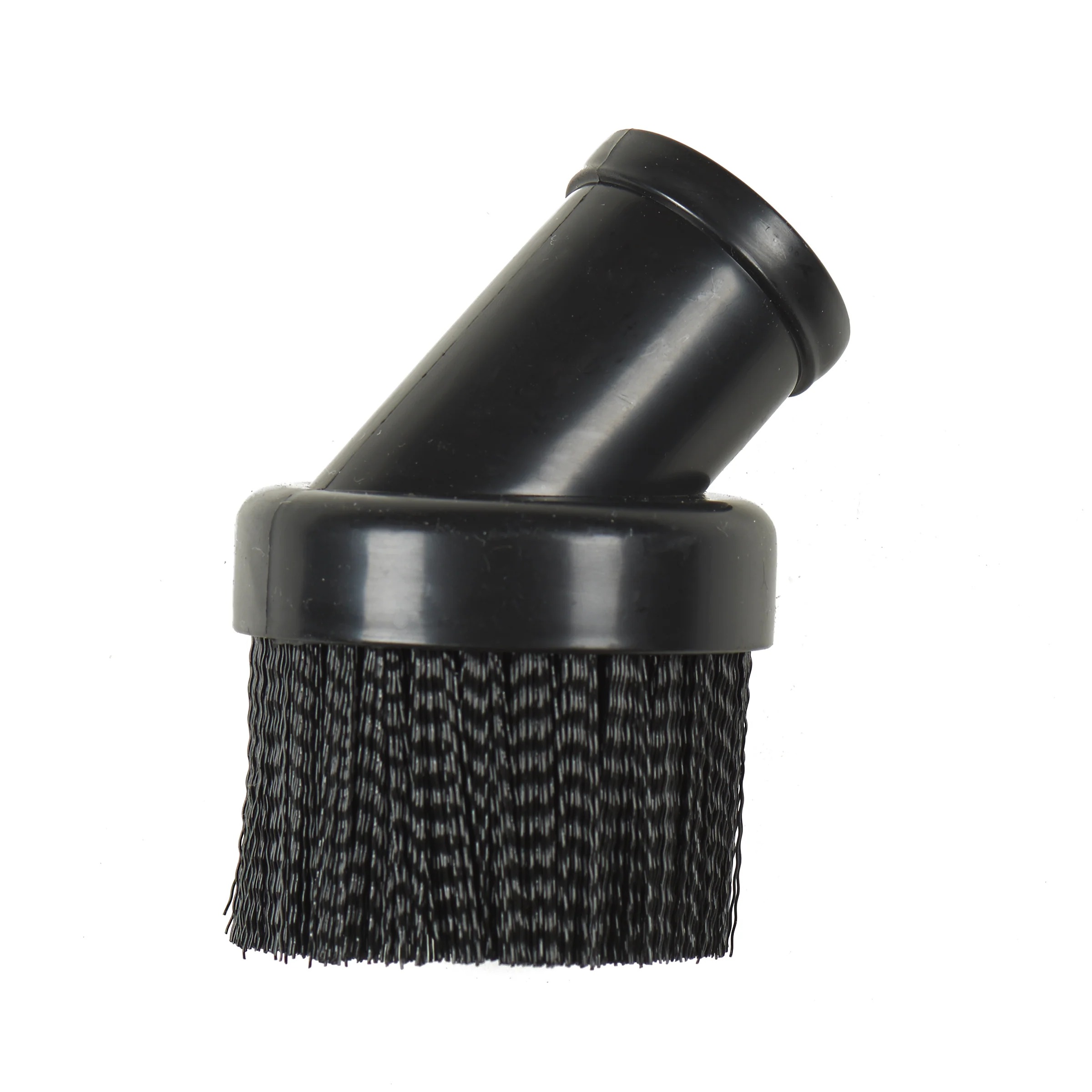
One of the most frustrating things about vacuuming, especially if you have pets, is dealing with tangled hair. Anti-tangle vacuum brushes are designed specifically to prevent long hair, pet hair, and other fibers from getting caught in the brush’s mechanism. These brushes are particularly useful if you have pets that shed a lot or if you have long hair that frequently gets stuck in traditional vacuum brushes.
An anti-tangle vacuum brush typically features a specialized design that keeps hair and other debris from winding around the brush. This allows for uninterrupted cleaning, preventing the need for frequent brush maintenance.
Laminate floors are sensitive to scratches and require a careful approach when it comes to cleaning. While a vacuum brush can be beneficial for cleaning laminate floors, it’s important to choose a brush with soft bristles to avoid damaging the surface. Unlike carpets, which benefit from motorized brushes with more aggressive bristles, laminate floors should be cleaned using a gentle touch.
The best brush for laminate floors is one with soft bristles and the option for adjustable suction. This ensures that debris is picked up without scratching the surface or leaving streaks behind. Additionally, using the lowest suction setting will prevent the brush from pulling up laminate seams or damaging the surface.
Using the right vacuum brush for different surfaces is essential for ensuring your cleaning tasks are done efficiently and effectively. Whether you are maintaining hardwood floors, tackling deep dirt in carpets, or cleaning laminate floors, understanding when and how to use a vacuum brush can improve your cleaning routine significantly. With the proper brush attachment, your vacuum can work smarter, not harder, giving you a clean home without the hassle of manual cleaning.
1. Can I use a vacuum brush on all floor types?
While most vacuum brushes are versatile, it’s important to use the correct brush for each floor type. For hardwood floors, use a brush with soft bristles, while for carpets, a motorized brush with stronger bristles is ideal.
2. How do I prevent pet hair from tangling in my vacuum brush?
Look for a vacuum brush with an anti-tangle feature. These are designed to prevent hair and other debris from getting caught in the brush, saving you time and effort.
3. Can I use a vacuum brush for deep cleaning?
Yes! A motorized vacuum brush is perfect for deep cleaning tasks, especially on carpets and upholstery. It helps dislodge dirt that is deeply embedded in the fibers.
4. Is there a vacuum brush for laminate floors?
Yes, there are specialized soft bristle vacuum brushes that are safe for laminate floors. These brushes ensure effective cleaning without damaging the surface.