Views: 0 Author: Site Editor Publish Time: 2026-08-06 Origin: Site
Maintaining a healthy pond requires much more than periodic chemical treatments and basic biological filtration. Physical removal of decaying organic matter remains absolutely non-negotiable for long-term water clarity. Many pond owners eventually transition from exhausting manual netting to automated extraction methods. Specialized wet vacuums are designed specifically to operate safely around deep water and delicate aquatic life. Bottom muck creates severe health risks for fish if you leave it untreated over time. Before investing in a unit, you must clearly understand the mechanical differences between available models. You need to match the equipment directly to your specific pond volume and sludge levels. In this comprehensive guide, we explore exactly how these machines extract debris efficiently from the bottom. You will learn the exact operational differences between single-chamber and continuous discharge systems. Finally, we provide actionable tips on choosing the right motor power and nozzle attachments to protect your fish.
A pond vacuum cleaner removes toxic bottom sludge (decaying leaves, fish waste) without requiring a full water drain, preserving the pond's biological ecosystem.
Models are divided into single-chamber (intermittent drain) and dual-chamber (continuous discharge) systems—the primary driver of both price and cleaning speed.
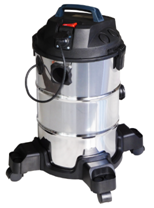
Standard wet/dry shop vacuums are unsafe and inefficient for pond use due to electrical hazards, lack of continuous drainage, and improper debris separation.
Evaluating water garden cleaning equipment requires assessing suction depth, hose length, and attachment compatibility with your pond's liner and livestock.
The intake process relies heavily on a powerful motorized impeller. This internal component spins rapidly to create a high-suction lift inside the main chamber. It forcefully draws heavy, water-logged debris directly up the intake hose. During operation, you will typically see it pull up thick muck, rotting leaves, and dense algae clusters. However, these specialized machines face strict physical limitations based on fluid dynamics. Most consumer units operate efficiently up to six or seven feet deep. Beyond this specific depth, gravity and immense water pressure severely compromise suction power. You must carefully consider these depth limitations before purchasing a garden pond cleaner. Trying to vacuum deeper than the manufacturer recommends will overheat the motor.
Inside the unit, debris separation occurs almost instantly. An internal catchment system filters the incoming slurry before it reaches the discharge valve. Heavy-duty debris bags catch large solid materials efficiently. They trap twigs, rocks, and thick filamentous algae securely inside the chamber. Meanwhile, the nutrient-rich muddy water passes freely through these porous mesh filters. This crucial separation prevents the motor block from clogging during heavy operation. Properly maintaining these internal filters guarantees the machine maintains maximum suction across the entire cleaning session.
The final operational step involves the discharge phase. The machine expels the filtered muddy water either via gravity or an integrated internal pump. Industry experts note discharged pond water is exceptionally rich in naturally occurring nitrates. It serves as an excellent, free garden fertilizer for your terrestrial plants. You must consciously route this dirty water far away from the pond itself. Pumping it back into the water feature will cause immediate re-contamination and defeat the purpose of cleaning.
Placing the discharge hose on an uphill incline, causing gravity to force dirty water back into the motor chamber.
Letting the discharge hose empty too close to the pond edge, allowing muddy runoff to seep back into the water supply.
Forgetting to empty the internal debris bag, which leads to sudden suction loss and potential motor burnout.
Single-chamber models operate on an intermittent duty cycle. The internal motor runs actively until the main canister fills completely with water. Once full, an internal float switch automatically shuts the motor off. The unit then drains the dirty water outward via a gravity-fed valve. After the draining finishes completely, the motor restarts automatically, and suction resumes. These models are highly suitable for small backyard water features. They work beautifully for preformed liners holding less than a thousand gallons. They also attract budget-conscious buyers willing to spend a bit more time on routine weekend maintenance.
Dual-chamber models offer a significantly faster continuous duty cycle. They utilize two alternating internal cylinders. As the first cylinder fills with pond water, the second cylinder drains simultaneously. This clever alternating mechanical design allows for non-stop, aggressive suction. These robust units are best for large koi ponds. They handle heavy seasonal leaf drops with absolute ease. Users optimizing for pure labor efficiency usually prefer this advanced design because it eliminates frustrating waiting periods.
Evaluating the cost-to-efficiency ratio helps you make a logical equipment choice. You should realistically calculate the actual time saved per cleaning session. Compare this saved time directly against the higher upfront cost of a dual-chamber pond vacuum. A larger upfront investment often pays off quickly through dramatically reduced labor hours. If you clean a massive water feature bi-weekly, the continuous discharge system eliminates hours of idle waiting.
Feature | Single-Chamber Models | Dual-Chamber Models |
|---|---|---|
Operation Cycle | Intermittent (Vacuum, Wait, Drain, Repeat) | Continuous (Non-stop suction and drainage) |
Ideal Pond Size | Under 1,500 gallons | Over 1,500 gallons |
Discharge Method | Gravity-fed only | Often pump-assisted |
Upfront Cost | Lower | Higher |
Motor power and suction depth are commonly misunderstood metrics in the industry. High wattage does not always equal high suction capability. Some manufacturers use high-wattage motors simply because they are cheaper to mass-produce. You should look exclusively for actual "maximum suction depth" or head pressure metrics. This specific number tells you exactly how deep the vacuum can effectively lift water before failing. A highly efficient 1400-watt motor can easily outperform an inefficient 2000-watt motor if the internal seals are engineered properly.
Hose dimensions dictate your entire operational workflow. You must evaluate the intake hose length first. This measurement determines your maximum reach from the electrical outlet to the pond bottom. Next, evaluate the discharge hose length. This measurement dictates exactly where the extracted sludge water goes. Extending discharge hoses too far uphill presents a serious implementation risk. Pushing water beyond manufacturer specifications will inevitably cause damaging backflow. You should strictly follow the recommended elevation guidelines when deploying water garden cleaning equipment.
Nozzle attachments vary significantly based on your pond's bottom architecture. You must match the physical tool to your specific environment to achieve optimal results.
Gravel heads: These feature narrow intake gaps. They prevent the machine from accidentally sucking up heavy decorative rocks while pulling light muck through the crevices.
Flat nozzles: These sit perfectly flush against flat surfaces. They provide maximum suction spread across bare rubber liners.
Brush attachments: These include stiff nylon bristles along the edge. They scrub away stubborn string algae while vacuuming it up simultaneously.
Livestock protection remains a primary concern for dedicated koi owners. Accidental fish intake is a frightening possibility during aggressive cleaning sessions. Many modern machines feature manual bypass valves located directly on the handle. These valves allow you to instantly drop the suction pressure if a curious fish swims too close to the nozzle. Adjustable suction speeds give you precise, granular control over the intake velocity. Proper nozzle selection also actively prevents fish from entering the hose. Narrow attachments physically block larger fish from sliding into the intake tube. You must protect your pets by moving slowly when operating a heavy-duty pond vacuum cleaner.
Ecosystem disruption presents another hidden danger during routine maintenance. You must remember a vacuum is designed strictly for physical waste removal. It is not a tool for a complete biological resetting of the environment. Removing too much organic material at once strips away beneficial bacteria. Over-cleaning quickly crashes these fragile bacterial colonies, leading to dangerous ammonia spikes. Standard industry frameworks dictate you should never remove more than twenty to thirty percent of the total water volume during a single session. Preserving a very thin layer of sludge actually ensures the nitrogen cycle remains stable.
Electrical safety is absolutely critical when combining deep water and high-voltage machinery. You must always plug your equipment directly into a GFCI (Ground Fault Circuit Interrupter) outlet. These specialized safety outlets cut power instantly if they detect an electrical short. Outdoor pond equipment features specific waterproof ratings designed for wet environments. Standard garage shop vacuums lack these vital safety seals. Using a standard wet/dry vac near deep water introduces a lethal shock hazard to both you and your livestock.
Always scan the pond bottom visually before dropping the intake nozzle into the water.
Keep the vacuum base unit at least six feet away from the water's edge to prevent accidental submersion.
Never operate the machine while standing barefoot in wet grass.
Store the unit in a dry shed or garage to prevent internal motor rust.
Proper problem framing helps identify exactly when manual methods no longer suffice. Certain visual and olfactory signs indicate critical sludge buildup at the bottom. You might notice distinct foul odors smelling sharply of hydrogen sulfide (rotten eggs) when the water is disturbed. Your fish may experience frequent, unexplained bacterial illnesses due to rapidly degrading water quality. Uncontrollable algae blooms often signify excess nutrients decaying on the pond floor. Clogged skimmer pumps show debris is circulating freely in the water column rather than settling. These symptoms mean your current filtration simply cannot handle the biological load.
Comparing alternative solutions highlights the true long-term value of mechanical extraction over temporary fixes.
Sludge-eating bacteria and enzymes: These liquid additives are excellent for routine preventative maintenance. However, they are entirely ineffective for clearing deep, firmly established muck layers.
Manual netting: This physical method is highly affordable but incredibly labor-intensive. It extensively disturbs the settled sludge layer. This violent disturbance releases trapped toxic gases directly into the water column, stressing the fish.
Hiring professionals: Outsourcing the heavy work carries a steep recurring cost. A dedicated pond sludge vacuum provides a superior one-time ROI. The machine usually pays for itself in just one or two seasons of active use.
Logical shortlisting guides your exact next steps toward a successful purchase. First, physically measure your pond's deepest point with a long pole. This guarantees you buy a machine capable of reaching the bottom. Second, thoroughly assess the discharge topography of your yard. You must plan a downward drainage route for the expelled dirty water. Finally, set a firm budget based strictly on your single versus dual-chamber preference. A well-planned purchase drastically reduces future maintenance headaches.
Investing in specialized cleaning equipment yields incredibly high returns for serious water gardeners. These advanced machines effectively turn a back-breaking seasonal chore into a highly manageable, predictable routine. They safely remove dangerous toxins without destroying your deeply established biological filtration system. By choosing the correct chamber design, you save countless hours of manual labor.
Take time today to measure your pond's deepest point carefully. Review specific product specifications to find the exact suction depth you require for your unique setup. Compare continuous and single-chamber units based purely on your realistic time constraints. Upgrading your maintenance toolkit ultimately ensures your aquatic ecosystem thrives beautifully year after year.
A: No. Standard shop vacuums pose severe electrical risks when used near large bodies of water. They lack the necessary waterproof seals for outdoor environments. They also lack automated discharge features, requiring you to manually haul incredibly heavy buckets of water. Furthermore, their basic filtration systems cannot properly separate thick pond sludge from liquid.
A: Most units do not recycle the water. While some models feature fine mesh bags for recirculation, discharging the dirty water is the preferred industry standard. This water acts as a nutrient-rich fertilizer for your garden. You should then top off the pond with fresh, dechlorinated water to refresh the ecosystem.
A: You should perform heavy vacuuming sessions during the spring and fall seasons. Light spot cleaning is perfectly acceptable throughout the summer months to manage minor debris. Avoid vacuuming during the winter. Fish become dormant in cold water, and physical disturbance causes them severe, potentially fatal biological stress.
A: It depends heavily on your nozzle choice. High-quality vacuums include specialized gravel head attachments. These attachments feature narrow, manually adjustable suction gaps. The specialized gaps allow lightweight sludge to pass through easily while leaving heavy decorative rocks firmly on the pond floor.