Views: 0 Author: Site Editor Publish Time: 2026-06-10 Origin: Site
The shift from single-purpose tools to versatile utility equipment has completely changed modern workspaces. Buyers frequently overlook the exhaust port on their shop vacuums, yet this single feature effectively doubles the machine's overall utility. A wet dry vacuum with blowing function cleverly reverses airflow dynamics. Instead of pulling air into the canister, it utilizes the motor's natural exhaust to push high-velocity air outward. This simple mechanical redirection turns a standard cleanup tool into a powerful localized blower. We designed this guide to help you evaluate if this 2-in-1 functionality eliminates your need for a standalone blower. You will learn how to analyze different models, understand operational limitations, and optimize these tools for specific cleaning operations. By mastering this dual-capability, you can streamline your cleanup processes and maximize workspace efficiency.
Mechanism: The blowing function redirects the motor’s exhaust through a designated port, converting suction power into a concentrated air stream.
Form Factors: Solutions range from basic integrated exhaust ports to fully detachable blower motor heads.
Limitations: While excellent for garages, patios, and auto detailing, a wet dry vacuum blower does not replace heavy-duty landscaping leaf blowers for large properties.
Operational Risk: Users must empty the tank and manage filters correctly before switching modes to avoid expelling hazardous dust or water into the air.
Let us look closely at the physics. Every electric motor generates suction by spinning an impeller. This spinning action displaces air rapidly. The displaced air must eventually exit the system. A multi-function vacuum cleaner captures this expelled air intelligently. Engineers design a specific exhaust port on the unit. They usually locate this port on the back or top of the motor housing. They channel the internal exhaust directly through this opening. This design leverages energy already produced by the motor.
Switching modes requires minimal effort. You perform a simple physical action. You detach the hose from the primary intake port. You then insert it firmly into the exhaust port. This action instantly changes the machine. It transforms from a suction device into a concentrated air blower. You do not need secondary motors or complex internal baffles.
Performance relies on two critical metrics. You must understand Peak HP and CFM. CFM stands for Cubic Feet per Minute. Peak HP indicates the motor's maximum electrical output potential. CFM measures the actual volume of air moving through the nozzle. You must look at these raw data points carefully. Ignore flashy marketing claims on retail boxes. Higher CFM directly translates to stronger pushing force. A high-CFM motor moves heavy debris easily. It creates a robust, continuous wall of air.
We can divide blower capabilities into two distinct structural categories. Understanding these differences helps you match the tool perfectly to your needs. You must weigh mobility against simplicity.
First, let us examine integrated exhaust ports. Manufacturers mold these ports directly into the main vacuum lid.
Pros: They require no extra moving parts. The unit stays lighter overall. They typically cost significantly less. Transitioning from vacuuming to blowing feels seamless. You simply move the hose.
Cons: You must drag the entire canister around. Mobile blowing tasks become quite cumbersome. Navigating tight spaces or staircases proves difficult. The bulky tank restricts your movement.
Next, consider detachable blower heads. Many brands call these 2-in-1 models.
Pros: You can lift the motor directly off the canister. It then attaches to a dedicated blower wand. This creates a lightweight, handheld blower unit. They offer excellent scalability for larger workspaces. You leave the heavy tank behind.
Cons: The motor head carries slightly more weight than a standard lid. Holding it for long periods causes fatigue. You will generally pay a higher initial price point.
We suggest a straightforward decision framework. Choose integrated models for static shop work. They excel at auto detailing and localized bench clearing. Invest in detachable models for broader property maintenance. They make mobile cleanup significantly easier.
Below is a summary chart comparing these two primary options:
Feature | Integrated Exhaust Port | Detachable Blower Head |
|---|---|---|
Mobility | Low (Must move entire tank) | High (Handheld operation) |
Weight | Heavy during transport | Lightweight handheld unit |
Transition Speed | Instant (Move hose) | Moderate (Unlatch and attach wand) |
Ideal Workspace | Garages, small woodshops | Yards, large driveways, gutters |
How does this feature impact daily operations? Combining two tools into one streamlines your entire workflow. A reliable cleaning equipment with blower setup reduces your overall equipment footprint. It frees up valuable shelf space. You spend less time maintaining separate gas engines. You never have to mix fuel for quick cleanup jobs.
Automotive detailers rely heavily on this specific function. They use the blower to force trapped water out of vehicles. High-velocity air clears side mirrors effortlessly. It pushes water out of intricate grilles and door jambs. This technique prevents annoying water spots. It also dries exterior panels rapidly. You accomplish this without ever scratching sensitive clear coats. Towel drying often introduces micro-scratches. Blowing air provides a touchless drying experience.
Shop and garage maintenance also benefit immensely. A standard vacuum nozzle cannot reach every tight corner. The blower easily sweeps sawdust out of complex machinery. You can clean table saws and miter saws safely. It clears heavy metal shavings from under workbenches. You can quickly herd fine debris into a central pile. This makes vacuuming the main floor much faster later.
Light landscaping serves as another excellent use case. You can easily clear dry leaves from patios. The exhaust stream handles walkways and low gutters perfectly. However, you must set realistic expectations. A blower vacuum cleaner works beautifully for localized hardscaping. It does not replace a heavy-duty landscaping tool. It will struggle with wet, matted leaves on large lawns.
Choosing the right model requires careful analysis of specific components. We recommend evaluating these technical elements before buying. They separate professional tools from frustrating gadgets.
Motor Power (Peak HP & CFM): Establish strict baseline metrics. You need sufficient velocity to move heavier materials. We recommend looking for at least 5.0 Peak HP. You should also verify a minimum rating of 130 CFM. Anything lower will struggle with damp debris. High CFM ensures the air stream remains wide and forceful.
Hose Security Mechanisms: High exhaust pressure causes cheap connections to fail quickly. Evaluate locking hose mechanisms carefully. A simple friction-fit hose will frequently blow off under maximum output. Look for positive-locking tabs. Twist-lock connectors also work extremely well. They keep the hose anchored during intense tasks.
Filtration Management Requirements: Assess how the unit handles internal filters. Some models require removing wet foam filters before blowing. You might need to remove fine dust bags too. This step greatly impacts overall usability. Easy-access filter housings save valuable time. Cumbersome filter brackets will discourage you from using the feature.
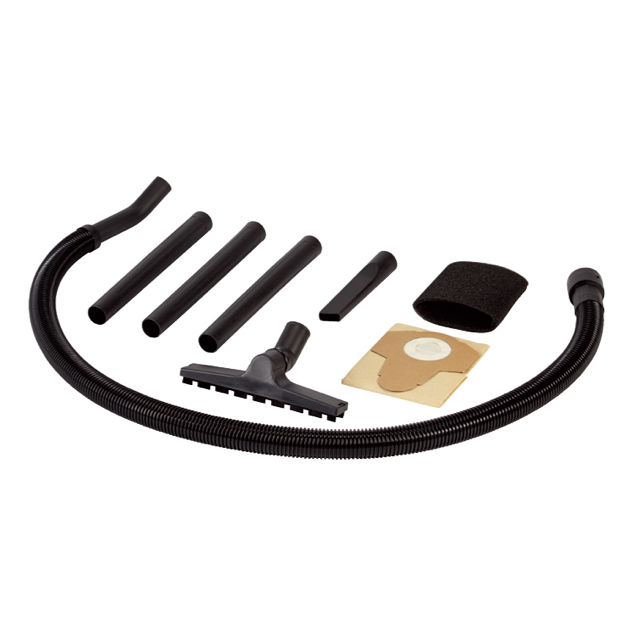
Attachment Ecosystems: Standard wide nozzles dissipate air pressure too quickly. Look for concentrator nozzles in the accessory kit. Manufacturers design these specifically to narrow the air stream. They significantly increase air velocity for stubborn debris clearing. A good kit includes multiple nozzle shapes.
Improper operation poses significant risks to your workspace. It can also impact your respiratory health. You must follow strict protocols when switching modes. Moving from suction to blowing requires preparation.
Emptying the canister stands as your most critical task. Blowing air through a dirty tank causes immediate failure. The exhaust stream will eject trapped dust right back out. It shoots dirt directly into your clean environment. It can also spray stale, dirty water across finished surfaces. Always dump the tank completely before moving the hose. Wipe the interior walls if necessary.
You must also follow a strict filter protocol. Remove wet foam filters before attaching the blower hose. If you use pleated HEPA filters, clean them thoroughly first. Pushing high-velocity air through a clogged filter causes problems. It creates dangerous internal pressure issues. It places unnecessary thermal stress on the motor. This heat buildup can degrade internal components rapidly.
Safety and compliance require proper personal protective equipment. High-velocity air can cause dangerous debris ricochets. Small items like screws and nails become airborne projectiles. Heavy wood chips can bounce off concrete walls. Always wear ANSI-rated safety glasses. You must protect your eyes at all times. Use adequate respiratory protection when blowing fine particulates. Drywall dust and silica pose severe inhalation hazards indoors. A well-fitted mask provides essential protection.
Let us wrap up with a final verdict. A wet dry vacuum blower offers incredible versatility for clearing tasks. It serves as a highly efficient investment for localized, high-velocity cleaning. You simply need to understand its operational limits. It performs differently compared to gas-powered landscape blowers.
Follow these action-oriented next steps to maximize your success:
Audit your primary workspace closely. Determine if you spend more time in a static garage or moving around a large yard.
Choose an integrated exhaust port if you primarily work at a single bench. This style also works best for detailing cars.
Upgrade to a premium detachable motor model if you need mobile landscaping capabilities. This gives you freedom to walk the property.
Verify the CFM ratings and locking hose features before making your final purchase. Strong connections prevent frustrating blow-outs.
A: Yes, it works perfectly for clearing patios, garages, and small driveways. However, it cannot replace a heavy-duty leaf blower for large properties. Power cord lengths severely limit your mobility across half-acre lawns. Most shop vacuums also possess lower CFM ceilings. They will struggle to move heavy, wet autumn leaves efficiently.
A: This common troubleshooting issue happens when you blow air through a dirty machine. You likely forgot to empty the main tank before switching modes. Alternatively, the internal filter might be missing, improperly seated, or severely clogged. Always clean the canister thoroughly before using the exhaust port to prevent this mess.
A: Standard vacuum hoses will technically work, but they often cause frustration. Exhaust pressure easily pushes friction-fit hoses out of the port. We strongly recommend using locking hoses. Twist-lock or tab-lock mechanisms keep the hose securely attached, even when the motor operates at its maximum peak horsepower.
A: Yes, this is a standard and highly effective practice for automotive detailing. The concentrated air stream pushes water out of tight crevices perfectly. However, you must ensure both the internal tank and the hose are completely clean and dry first. Otherwise, you risk spraying dirty water onto newly cleaned panels.