Views: 0 Author: Site Editor Publish Time: 2026-06-24 Origin: Site
Buyers often face a tough dilemma when choosing commercial cleanup equipment. You must decide between the aesthetic durability of stainless steel and the practical agility of a polymer alternative. It is a choice directly shaping daily productivity on the floor. We base this decision on harsh operational realities rather than simple visual preference. Crews frequently transport equipment across large job sites. They handle highly corrosive liquids and fight user fatigue constantly. Heavy metal units can easily slow your team down or rust rapidly under continuous chemical abuse.
This guide provides an objective, evidence-based framework for evaluating your vacuum options. We will explore exactly when a polymer tank unit becomes the optimal investment for your specific job site or facility requirements. You will learn how material properties, physical capacity, and daily mobility affect performance metrics. By understanding these distinct dynamics, you can match your equipment directly to actual workflow demands. Proper equipment selection ultimately protects your workforce and ensures seamless maintenance operations year-round.
Plastic tanks excel in environments handling highly corrosive liquids (salts, harsh chemicals) where stainless steel may pit or rust.
The weight reduction of a plastic tank makes it the superior choice for multi-level facilities and mobile service crews requiring a portable tank vacuum.
Modern high-impact polymers have bridged the durability gap with metal, though they remain susceptible to extreme temperature cracking and static buildup.
Selecting the right capacity—such as a maneuverable 20L wet dry vacuum—is as critical as tank material in optimizing operational efficiency.
Facility managers and independent contractors often overbuy heavy stainless steel units based on perceived ruggedness. This assumption frequently leads to unintended negative consequences on the job site. Heavy metal equipment significantly increases user fatigue during extended cleaning shifts. It reduces overall mobility across complex facility layouts. Furthermore, bulky steel units pose a persistent risk of property damage. Dragging a rigid metal cylinder around tight corners easily causes deep dents or scratches on painted walls and door frames. We must shift the procurement mindset from buying the heaviest machine to buying the smartest machine for the specific environment.
Labor efficiency remains the most expensive variable in any maintenance operation. Deploying a lightweight wet dry vacuum directly improves daily operational speed. When your equipment weighs less, workers move faster between cleanup zones. They expend less physical energy hauling the machine up stairwells or lifting it into service vehicles. We should frame weight not just as a physical specification, but as a critical metric of labor efficiency. Every pound saved on equipment translates directly to reduced worker strain and faster task completion times.
Certain industries require ultimate flexibility where a robust portable tank vacuum is simply non-negotiable. Consider HVAC maintenance crews navigating cramped attics and narrow crawlspaces. Auto detailing fleets need equipment they can rapidly deploy and store within compact vans. Multi-story commercial cleaning teams cannot waste time wrestling heavy steel units into small service elevators. In these fast-paced mobile environments, agility dictates profitability.
An optimal vacuum solution balances ergonomics with raw power. The chosen vacuum must actively reduce operator strain while maintaining the necessary suction performance. We measure this performance through Cubic Feet per Minute (CFM) for airflow and water lift capabilities for heavy liquid extraction. A lighter machine holds zero value if it cannot effectively pull dense sludge or extract standing water from carpets. Therefore, successful deployment hinges on combining high-performance motor metrics with a highly mobile chassis.
We must evaluate materials based on features-to-outcomes mapping. Stainless steel, despite its premium reputation, remains highly prone to pitting and rust. If you expose metal tanks to specific alkalis, ice-melt salts, or strong disinfectants, the material degrades. Extended moisture retention inside a poorly dried steel tank accelerates this oxidation process. Conversely, polymer materials offer superior chemical inertness. They easily resist most standard cleaning agents, brine solutions, and concrete slurry. This chemical resistance ensures a much longer operational lifespan in wet-heavy commercial applications.
Many buyers hold a false misconception regarding material strength. They assume a plastic tank vacuum cleaner is inherently fragile. Modern units utilize high-density polypropylene (PP) which provides incredible impact flexibility. When a metal tank suffers a hard impact, it permanently dents. A dented metal rim can break the critical vacuum seal between the motor head and the tank basin, ruining suction power entirely. However, a polymer tank flexes upon impact. It bounces back to its original shape, preserving the airtight seal necessary for peak suction performance.
Polymer models typically offer a significantly lower initial procurement cost compared to stainless steel counterparts. Smart facility managers leverage this price difference strategically. You can reallocate the budget saved on the tank material toward superior internal components. Invest those savings into advanced HEPA filtration systems or higher-stage motor performance. Upgrading the motor and filters yields a much higher return on investment for indoor air quality and extraction speed than simply paying for a shiny exterior.
Evaluation Dimension | Stainless Steel Tank | Polymer/Plastic Tank |
|---|---|---|
Chemical Resistance | Vulnerable to salts and strong alkalis. May rust over time. | Highly inert. Impervious to rust, brine, and standard chemicals. |
Impact Resilience | Prone to permanent denting. Dents can break air seals. | Flexes upon impact and retains structural shape. |
Weight & Agility | Heavy. Increases user fatigue during transport. | Lightweight. Highly mobile for multi-level facilities. |
Upfront Cost | Premium pricing due to raw material costs. | Budget-friendly. Allows upgrades to filters/motors. |
Evaluating tank size requires balancing liquid disposal logistics against daily storage constraints. A massive tank holds more waste, but it quickly becomes an immovable hazard when filled with heavy water. Water weighs roughly 8.3 pounds per gallon. Therefore, an oversized tank forces workers to strain their backs during disposal. Smaller tanks require frequent dumping but ensure the unit remains maneuverable. You must assess your primary spill volumes to find the correct balance.
Industry professionals frequently identify a distinct middle ground for optimal daily use. Explain why a 20L wet dry vacuum (approximately 5 to 5.5 gallons) serves as the industry standard. It perfectly bridges the gap between high-capacity stationary shop units and ultra-compact, low-power spot cleaners. A 20-liter capacity holds enough volume to handle moderate plumbing leaks, winter snow track-in, and daily hard floor stripping tasks. Yet, when fully loaded with liquid, it remains light enough for a single operator to lift and empty safely.
We recommend a strict rule-of-thumb framework for buyers. Match your average liquid recovery needs to the tank size to minimize time wasted on frequent dumping without compromising portability.
Average Spill Volume | Recommended Tank Size | Primary Application Scenario |
|---|---|---|
Small (Under 2 Gallons) | 10L - 15L (2.5 - 4 Gal) | Quick spot cleaning, vehicle detailing, minor spills. |
Medium (3 to 5 Gallons) | 20L - 25L (5 - 6.5 Gal) | HVAC service, standard office maintenance, plumbing drips. |
Large (Over 6 Gallons) | 30L+ (8+ Gal) | Major flood recovery, large construction sites, stationary shop use. |
Every equipment choice carries specific environmental risks we must mitigate. Polymer materials naturally generate static electricity when vacuuming large quantities of fine dry dust. Materials like drywall dust, fine sawdust, or concrete powder rub against the inner walls and create a noticeable static charge.
Mitigation Strategy: If you plan to deploy your equipment in dry, high-dust environments, you must manage this charge. We recommend purchasing specific anti-static (conductive) hoses. Additionally, installing a simple grounding chain that touches the floor safely dissipates static buildup before it shocks the operator.
While modern polymers are incredibly tough, they possess specific thermal limitations.
Risk Identification: High-density plastics can become slightly brittle in extreme sub-zero job sites. Conversely, they may warp if exposed to extreme industrial heat or boiling liquid runoff.
Assumption Check: You must evaluate your climate. We emphasize that polymer tanks perform best in temperature-controlled facilities or moderate outdoor environments. If your operation involves vacuuming boiling chemical runoff or working continuously in freezing industrial freezers, specialized metal alloys might be necessary.
The connection points on any machine experience the most mechanical stress. We advise buyers to closely inspect the structural integrity of the latches. Ensure the connection points between the heavy motor head and the lightweight base are heavily reinforced. Weak latches will snap over time, ruining the air seal. Look for models featuring wide, durable locking clasps rather than thin plastic clips.
Check the hinge thickness on the main locking latches.
Ensure the caster wheel mounts are molded directly into the base structure.
Verify the hose inlet port includes a secure locking mechanism to prevent blow-outs.
Before issuing a purchase order, instruct your procurement team to verify the internal motor design. You must ensure the unit features a true bypass motor if your primary use-case involves heavy liquid extraction. A bypass architecture physically separates the clean cooling air used by the motor from the wet, debris-filled vacuumed air. This design prevents moisture from reaching the electrical components, drastically extending the lifespan of your machine.
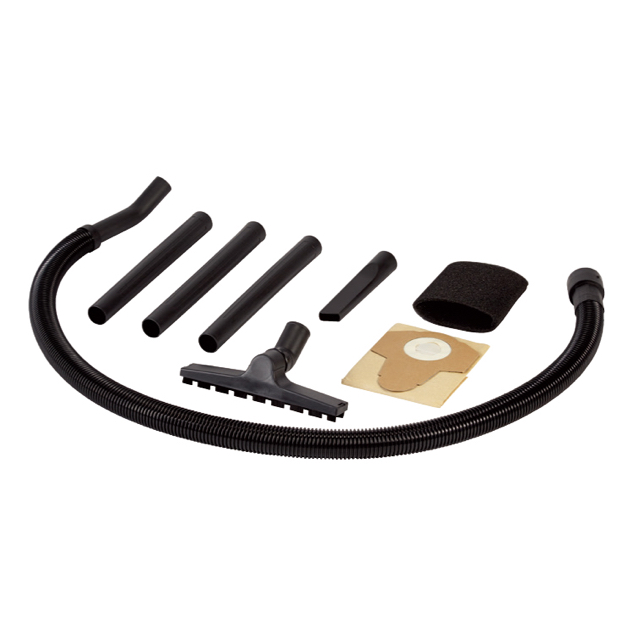
A reliable plastic tank wet dry vacuum is only as good as its filtration ecosystem. Ensure your chosen model supports standard, easily sourced filters. You do not want to be trapped buying proprietary, expensive filters. Verify the machine readily accepts standard pleated cartridge filters for dry dust, wet foam sleeves for liquid recovery, and disposable collection bags for hazardous debris. A versatile filter ecosystem guarantees continuous uptime.
Define your warranty expectations clearly before finalizing the purchase. Commercial-grade polymer tanks should offer substantial guarantees against cracking and manufacturer defects. Look closely for lifetime tank warranties. Separate this from the motor warranty, which typically ranges from one to three years. A strong warranty indicates the manufacturer trusts their polymer composition.
We encourage all buyers to conduct a brief physical audit of their workspace. Audit your primary waste type to confirm whether you deal mostly with corrosive liquids or sharp, heavy mechanical debris. Measure your available storage footprint in janitorial closets or service vans. Completing this simple audit ensures you finalize your purchase order with total confidence.
Choosing a polymer-based vacuum tank is never a downgrade in professional environments. Instead, it represents a highly strategic decision prioritized around corrosion resistance, daily mobility, and overall cost-efficiency. Modern materials easily withstand standard commercial impacts while saving your workforce from unnecessary physical strain.
We suggest reserving heavy stainless steel units strictly for stationary shop environments where machines suffer extreme mechanical abuse. For the vast majority of wet-heavy, highly mobile, or chemical-prone applications, polymer equipment delivers superior daily performance.
Assess Spill Chemistry: Choose polymers immediately if you handle salts, alkalis, or aggressive floor strippers.
Prioritize Ergonomics: Reduce worker fatigue by adopting lighter equipment for multi-story maintenance.
Optimize Capacity: Target a 20-liter capacity to balance efficient spill recovery with easy storage.
Mitigate Static: Always equip your machines with conductive hoses when extracting fine drywall or concrete dust.
A: No. Suction relies entirely on the motor head seal and filter condition. A plastic tank that maintains structural integrity seals just as well as metal. In fact, because plastic flexes rather than denting permanently, it often maintains an airtight seal longer than a frequently abused metal tank.
A: Generally, no. Most commercial plastic tanks are rated for ambient or warm liquids. Vacuuming boiling water or high-temperature industrial runoff can warp the polyethylene structure. This thermal warping can permanently break the vacuum seal between the tank and the motor head.
A: Utilize an anti-static (conductive) hose and ensure the vacuum is properly grounded. Fine dust rubbing against polymer walls generates static rapidly. Opt for a unit equipped with built-in static dissipation paths or attach a grounding chain to the chassis if dry dust is your primary application.