Views: 0 Author: Site Editor Publish Time: 2026-11-11 Origin: Site
Carrying a heavy, metal canister full of dense soot across a living room floor is a recipe for back strain and disastrous spills. One awkward stumble can send a weekend’s worth of fine particulate airborne, coating your furniture in gray dust. While standard ash vacuums solve the fire and filtration hazards of regular shop vacs, their stationary design ignores the physical logistics of heavy ash removal. You still have to manually lift them and haul them outside for disposal.
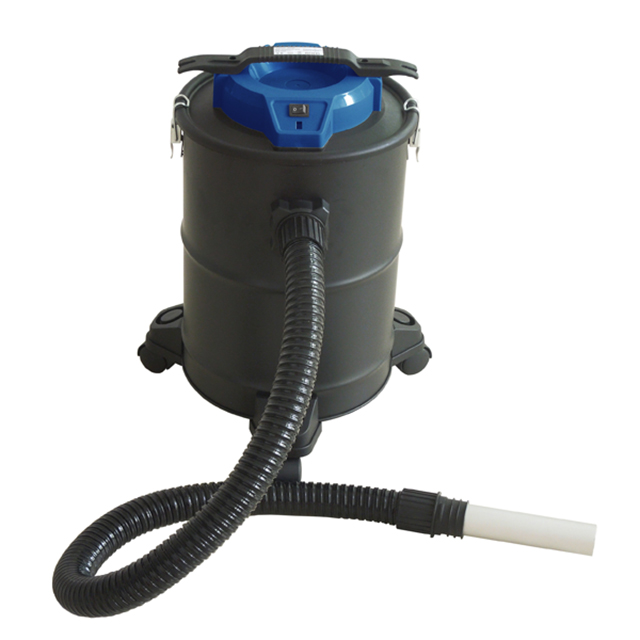
Upgrading to an ash vacuum with wheels shifts the focus from simple suction to operational efficiency, but it requires evaluating floor types, storage limits, and tank capacities. In this guide, you will discover why mobility fundamentally transforms household appliance maintenance. We will explore key evaluation criteria to ensure you choose the right base for your home setup. You will also learn practical safety tips for managing heavy soot loads effectively without risking secondary messes.
Wheeled models are essential for continuous pellet stove users, large fireplaces, and multi-appliance heating setups.
A larger tank capacity fundamentally requires a wheeled base to safely transport dense, heavy ash without tipping.
High-suction models (like a 1200W ash vacuum) paired with maneuverable casters reduce cleaning time but demand more storage space.
Never substitute a standard shop vac for an ash vacuum; thermal safety and specialized micro-dust filtration are non-negotiable.
Ash is deceptively dense. It compacts tightly inside a collection bin. A half-full 5-gallon metal canister quickly becomes cumbersome to carry. Lifting this weight from a low hearth to waist level places unnecessary strain on your lower back. Furthermore, carrying a heavy steel bucket through a finished living space increases the risk of dropping it. A dropped canister not only dents your floor but also creates a massive indoor air quality hazard as fine particulates disperse into the air.
Many homeowners debate the necessity of specialized equipment on heating forums. They often attempt to use a standard shop vac for hearth maintenance. You must avoid this mistake. Standard vacuums lack thermal-lined hoses. They also utilize standard paper filters which easily melt if they contact hidden embers. Even if the soot is completely cold, fine wood dust bypasses standard filters. It invades the motor housing, seizes the bearings, and ruins the machine. Purpose-built models contain fire-resistant components, making them absolutely mandatory for indoor safety.
Stationary units force users into bad habits. Homeowners frequently drag stationary units across the floor by tugging on the suction hose. This habit damages the hose seal where it meets the metal tank. Repeated pulling stresses the connection, risks tipping the unit over, and compromises the vacuum's airtight integrity. Once the seal breaks, suction power drops dramatically. Adding casters eliminates the friction. It allows the unit to follow you naturally as you move around the hearth.
Pellet stoves and large wood boilers produce continuous waste during the winter. Daily or weekly cleanouts require minimizing physical friction to make the chore tolerable. A wheeled ash vacuum allows seamless gliding from the heating appliance to your exterior disposal area. You do not need to lift the canister until you reach the actual dump site. This smooth logistics chain saves time and protects your body from repetitive lifting injuries.
Many modern properties feature diverse heating setups across different areas. You might operate a living room fireplace, a basement wood stove, and a patio fire pit. Managing these diverse zones requires a versatile mobile ash cleaner. Navigating long hallways and moving between rooms becomes effortless when your equipment rolls. Relying on a hand-carried bucket for multi-zone maintenance quickly leads to fatigue and neglected appliance care.
Garages and woodworking shops deal with high volumes of fine particulate daily. These environments mix cold wood soot, sawdust, and metal shavings. They demand the rapid deployment of a rolling unit. Professionals cannot waste time walking back and forth to carry a stationary machine across a wide shop floor.
Consider upgrading to a mobile unit if you manage any of the following setups:
Whole-home pellet stoves requiring bi-weekly hopper and burn pot cleanouts.
Commercial pizza ovens producing large volumes of dense soot nightly.
Woodworking shops needing rapid, floor-level dust extraction.
Expansive outdoor patios with multiple fire pits and charcoal grills.
When selecting a unit, you must balance capacity against physical stability. A large tank ash vacuum holding five or more gallons fundamentally requires a wide-stance wheelbase. As the steel canister fills, the center of gravity shifts higher. Narrow bases with high centers of gravity are prone to tipping when you pull them over thick rugs or doorway transitions. Ensure the wheelbase extends slightly beyond the diameter of the tank to guarantee a stable ride.
Evaluate the motor sizing carefully. High-density debris demands significant static water lift to pull material through the hose without clogging. A 1200W ash vacuum provides the robust suction necessary to clear heavy blockages. Powerful motors prevent burnout during extended cleaning sessions. They also maintain strong airflow even as the micro-filter begins to collect fine dust.
You must inspect caster materials before purchasing. Hardwood floors require rubberized, non-marring wheels. Cheap plastic casters often refuse to rotate under the heavy weight of a full steel tank. Instead of rolling, they drag across the floor. This dragging action leaves permanent scratches on expensive hardwood or tile. Always prioritize polyurethane or rubber-coated casters for indoor use.
Mobility features mean nothing without strict safety compliances. Ensure the unit contains a fire-resistant metal mesh filter housing. It must utilize HEPA-grade micro-filtration to trap particles smaller than 0.3 microns. Furthermore, the hose and nozzle must feature aluminum or thermal-lined steel construction. These non-combustible materials protect your home from lingering heat inside the debris.
Feature | Mobile Unit (Wheeled) | Stationary Unit (Hand-Carried) |
|---|---|---|
Tank Size | Usually 5 to 10 gallons. Ideal for heavy loads. | Typically 2 to 4 gallons. Keeps weight manageable. |
Ergonomics | Glides across flat surfaces. Zero lifting required. | Requires constant manual lifting and carrying. |
Storage Footprint | Requires a dedicated floor space in a closet or garage. | Compact enough to sit on a hearth or utility shelf. |
Ideal Setting | Large, continuous floor plans and heavy usage. | Tight spaces, multiple stairs, and infrequent usage. |
Wheeled bases naturally increase the physical footprint of the machine. The casters protrude past the tank body. Tight hearths or small utility closets may not accommodate this extra width. If your storage area relies on narrow shelving, a compact, hand-carried model proves much easier to tuck away out of sight.
Evaluate your cleaning route carefully. If you primarily move from a main floor fireplace to a basement workshop, you will encounter stairs. Wheels add unnecessary bulk and weight when carrying the unit up or down flights of stairs. Casters provide zero functional advantage on steps and can actually snag on stair treads during transit.
Casual users simply do not need heavy-duty mobility. If you only clean a small living room fireplace twice a season, you may not justify the higher price point of a rolling model. A lightweight, handheld canister handles occasional holiday fires perfectly well without requiring a premium investment.
Consider these questions before choosing a stationary model:
Do I have to carry the unit up more than one flight of stairs?
Is my storage closet too narrow to accommodate a wide wheelbase?
Am I emptying less than a gallon of debris each month?
If you answered yes to these questions, skip the casters and opt for a lighter, handheld design.
You must maintain strict skepticism regarding any manufacturer claims about vacuuming "hot ash." While metal tanks handle residual warmth, high airflow inside the vacuum introduces rapid oxygen to smoldering embers. This airflow can instantly reignite dormant coals, causing them to ignite the surrounding residual dust. Establish a rigid household rule: allow all fires to cool for at least 12 to 24 hours before vacuuming. Always prioritize the fire triangle principles. Removing the heat element ensures absolute safety during cleanup.
Rolling units face specific physical hazards. Lockable casters and secure lid latches are critical when moving the unit over uneven surfaces. Pushing a full tank over a doorway threshold or out to a bumpy driveway easily causes tipping. If the lid latches are weak, the canister will burst open upon impact. Always engage wheel locks when pausing your work near stairs, and double-check all metal side-latches before initiating transport.
Mobile units often encourage laziness. Because larger wheeled tanks hold more debris, users wait longer periods between emptying them. This delay drastically increases the risk of filter clogging. Fine soot aggressively coats HEPA folds. You must address this by utilizing pre-filter tapping or shaking mechanisms built into the unit. Regularly agitate the filter from the outside to knock dust down into the tank. This practice restores suction power without exposing your lungs to airborne particles.
Choosing an ash vacuum with wheels fundamentally improves household ergonomics. It eliminates the physical strain of lifting dense, heavy canisters and prevents accidental spills caused by dragging stationary units by their hoses. If you deal with high debris volumes from pellet stoves, manage multiple heating zones, or have flat, continuous floor plans, a rolling model easily justifies its footprint.
For your next steps, grab a tape measure and check your designated storage area to ensure a wide wheelbase will fit. Inspect your flooring to confirm you need rubberized, non-marring casters. Finally, prioritize shortlist models featuring lockable wheels, metal-lined hoses, and motors rated highly enough to pull heavy debris efficiently through the system.
A: We do not recommend this approach. Factory-integrated wheels are specifically engineered for the unit's exact center of gravity. Placing a tall metal canister on a generic dolly increases the tipping risk. You would also need custom strapping to secure the tank, making it frustrating to empty.
A: No. Wheels have absolutely no impact on the motor's suction power or the airflow dynamics. Suction performance relies entirely on motor wattage and filter maintenance. However, because wheeled units often have larger tanks, users sometimes forget to clean the filter, which causes a perceived drop in performance.
A: They are only safe if they feature rubberized or polyurethane coatings. Cheap, hard plastic wheels can easily drag and scratch delicate hardwood surfaces under the heavy weight of a full steel tank. Always verify the wheel material in the product specifications before purchasing for indoor use.