Views: 0 Author: Site Editor Publish Time: 2026-10-01 Origin: Site
Cleaning fireplaces or pellet stoves often leads homeowners to make a critical, dangerous mistake. They grab a standard household or shop vacuum for the job. This seemingly harmless shortcut risks severe motor damage. It can also ignite a devastating house fire.
An electric ash vacuum cleaner solves this precise problem safely. It operates as a specialized, compliance-aware extraction tool. Engineers design these units specifically to handle fine particulate matter. They also mitigate hidden, residual thermal risks effectively.
This article bridges the gap between recognizing your need for specialized ash removal and selecting the perfect unit. We guide you through complex motor architecture differences. You will also learn about crucial filtration capabilities. Finally, we explore vital safety thresholds to protect your home and equipment.
Safety First: Standard vacuums risk motor burnout and pose severe fire hazards due to lack of thermal protection and inadequate fine-dust filtration.
Core Architecture: True electric ash vacuums utilize metal canisters, fire-resistant hoses, and specialized fine-dust filters (often HEPA) to trap PM2.5 particles safely.
Primary Decision Factor: Evaluation hinges on matching the unit's power (CFM/Water Lift) and capacity (Gallons) to the specific heating appliance (e.g., high-frequency pellet stove vs. seasonal wood fireplace).
Power Source: Corded ash vacuums provide consistent, high-amp suction for heavy-duty jobs, while cordless models offer mobility for outdoor fire pits and grills at the expense of sustained power.
Standard paper or cloth filters consistently fail against ash. Wood and pellet ash particles measure significantly smaller than typical sawdust or household dirt. We classify most ash as PM2.5, meaning the particles are 2.5 microns or smaller. Standard shop vacuums use porous filters designed for larger debris. Ash particles effortlessly bypass standard filters and blow straight through the exhaust port. They re-enter your room air instantly. This creates severe respiratory hazards and coats your living space in a fine, toxic dust.
Most household vacuums use a flow-through motor design. In this setup, the vacuumed air travels directly over the motor to cool it. Drawing fine ash through a standard flow-through motor guarantees disaster. The abrasive ash coats the internal moving parts rapidly. It causes extreme friction, overheating, and catastrophic mechanical failure within minutes. Specialized units avoid this structural flaw entirely. They rely on bypass motors to preserve the machine.
Ash often conceals latent, glowing embers for days after a fire dies down. Standard vacuums utilize plastic hoses and plastic collection canisters. If you accidentally ingest a smoldering ember, it lands inside a highly combustible environment. The rushing air from the vacuum feeds oxygen to the ember. The plastic components can melt rapidly. Worse, they can ignite and cause a sudden house fire. Standard vacuums offer absolutely zero thermal protection against this hidden threat.
Safety regulations demand robust construction for any tool handling combustion byproducts. A true powered ash vacuum cleaner replaces vulnerable plastic with solid steel. Manufacturers build the main canister from thick gauge steel to contain potential heat safely. Furthermore, they upgrade the hose assembly. Standard ribbed plastic hoses disappear. Instead, you will find flexible metal-lined hoses. Engineers typically coat these metal hoses in heat-resistant rubber or PVC. This prevents user burns while keeping the interior ember-proof.
Effective ash removal requires trapping microscopic particles without blocking airflow immediately. High-quality units achieve this using a distinct multi-stage approach.
Primary Deflectors: These units feature internal metal mesh cages. The cage acts as the first line of defense. It blocks larger debris, unburned wood chunks, and potential embers from reaching the delicate inner filters.
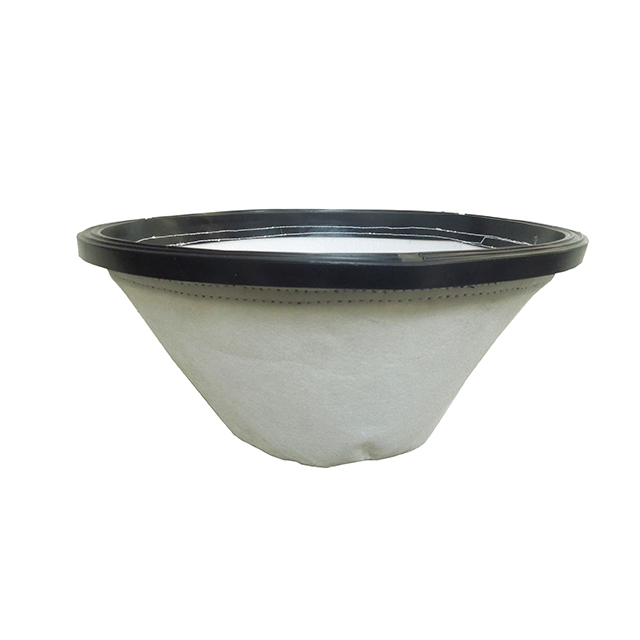
Secondary Filters: Behind the metal mesh sits the primary particulate barrier. Manufacturers use flame-resistant Dacron or specially treated HEPA filters. These materials trap sub-micron particles effectively. The unique fabric prevents immediate clogging, allowing you to finish cleaning the hearth.
The motor architecture represents the most critical internal upgrade. Ash vacuums utilize sealed bypass motors. This design isolates the motor cooling air entirely from the suction air. The dirty air enters the canister, drops the ash, and exhausts out. A completely separate fan draws clean outside air over the motor to cool it. This prevents abrasive particulate damage entirely. It extends the operational lifespan of the vacuum and ensures consistent, safe performance.
A corded ash vacuum serves as the industry standard for reliable, heavy-duty cleaning. These units pull power directly from your wall outlet. They are best for indoor fireplaces, large pellet stoves, and primary heating sources requiring frequent maintenance.
They offer sustained high-amp motor performance, typically ranging from 5-Amp to 10-Amp configurations. You gain much higher suction metrics and completely avoid battery degradation over time. However, they do have drawbacks. You remain tethered to wall outlets. Furthermore, their larger footprint makes them bulky to maneuver around tight hearths or crowded living rooms.
Cordless models sacrifice sustained power for absolute freedom of movement. They run on rechargeable lithium-ion battery platforms. These units are best for outdoor fire pits, pizza ovens, kamado grills, and occasional spot-cleaning.
You gain exceptional maneuverability. They eliminate trip hazards entirely in tight outdoor spaces. However, the convenience comes at a cost. They suffer from limited runtime, often lasting only 15 to 30 minutes under heavy load. The suction power noticeably drops as the battery depletes. You also face eventual battery replacement costs down the road.
Below is a quick reference chart to help you evaluate the differences based on your specific cleaning environment.
Feature | Corded Models | Cordless Models |
|---|---|---|
Best Use Case | Indoor hearths, frequent large jobs | Outdoor grills, quick spot-cleaning |
Power Consistency | Continuous, unyielding suction | Drops as battery depletes |
Mobility | Restricted by power cord length | Unlimited freedom of movement |
Maintenance Needs | Filter cleaning only | Filter cleaning plus battery charging |
Understanding suction metrics is vital when selecting a fireplace vacuum cleaner. Manufacturers often advertise two different numbers: CFM and Water Lift. CFM stands for Cubic Feet per Minute. It dictates the volume of air moved through the hose. High CFM helps you clean a large, dusty area quickly.
Water Lift dictates the actual physical strength needed to pull dense, compacted ash upward. Heavy, settled ash requires high Water Lift. We recommend checking both thresholds based on your usage frequency. Frequent users should prioritize Water Lift to handle dense pellet ash efficiently.
You must balance canister capacity against storage reality. A compact 3-gallon unit offers a small footprint. It is ideal for weekly pellet stove maintenance where space is limited. You can easily store it in a nearby closet.
In contrast, a 5-gallon or larger heavy-duty unit becomes necessary for large wood-burning log burners. Large hearths produce massive volumes of ash. A small unit forces you to stop and empty the canister midway through the job. Match the capacity to your typical weekly ash output.
Implementation reality dictates one frustrating truth: fine ash clogs filters rapidly. When a filter clogs, you lose suction immediately. Premium units include external filter-shaking dials or buttons. These mechanisms allow you to knock the caked dust off the filter from the outside.
You agitate the filter without opening the canister. This seemingly small feature prevents massive indoor dust clouds. It saves you from manually scraping the filter mid-clean. Always look for external agitation features when shortlisting your options.
The machine alone cannot do the entire job. Assess the inclusion of specialized tools carefully. You need narrow crevice tools to reach deep into a pellet stove auger. You need metal nozzles to handle potential heat safely.
Brush attachments engineered specifically for grill grates or tight exhaust vents prove invaluable. A robust accessory ecosystem transforms a basic vacuum into a versatile maintenance system. Avoid models offering only a bare hose, as they severely limit your cleaning capabilities.
Many brands boast their equipment handles "warm ash" safely. You must debunk these exaggerated marketing claims immediately. Even specialized ash cleaning equipment requires caution. Safety protocols demand you allow ash to cool for a minimum of 12 to 24 hours.
Sucking up live embers remains incredibly risky. While the metal canister won't melt, extreme heat damages internal components. It degrades the fire-resistant filter coating over time. The heat warps rubber gaskets and ruins the internal seals. Always prioritize patience over speed.
Users report one common frustration consistently: the massive dust cloud when emptying the canister. To avoid coating your lungs and your garage in gray soot, follow these specific best practices:
Relocate Outdoors: Never empty the canister inside your home or garage. Always carry the sealed unit outside to a well-ventilated area.
Use Heavy-Duty Bags: Place the entire canister gently inside a thick, heavy-duty trash bag before opening the lid.
Control the Release: Open the latches inside the bag. Tip the canister slowly to minimize the upward plume of dust.
Protect Yourself: Always wear an N95 mask and safety glasses during the emptying process.
You must set realistic expectations for your filter maintenance routine. Many units advertise washable filters. However, washable filters must be bone-dry before reuse. If you reinstall a slightly damp filter, the incoming ash mixes with the moisture. It forms a cement-like blockage instantly.
Furthermore, filters degrade over time, even with proper washing. Factor proprietary replacement filter costs into your routine maintenance budget. Checking replacement availability before purchasing ensures you do not buy an obsolete machine.
Purchasing logic dictates you should never compromise on fire safety. A dedicated electric ash vacuum cleaner remains a non-negotiable investment for anyone operating a solid-fuel heating appliance. It protects your expensive household vacuum, safeguards your indoor air quality, and eliminates the hidden threat of smoldering embers.
Your next steps require a quick audit of your primary cleaning scenario. Assess whether you clean indoors or outdoors. Estimate your weekly volume of ash. Note the availability of power outlets near your hearth. Use this audit to decide confidently between a high-capacity corded unit or a highly portable cordless model. Finally, verify the ongoing availability of replacement filters before finalizing your purchase.
A: No. While filtration improves, the plastic hose and canister remain severe fire hazards if a latent ember is ingested. The intense heat easily melts plastic components and can trigger a dangerous fire inside the unit.
A: They are functionally similar, but models marketed for pellet stoves often feature narrower, specialized crevice tools. These specific attachments help you navigate tight burn pots, narrow exhaust vents, and complex auger mechanisms easily.
A: Agitate the filter after every use. Deep clean or wash it when suction drops noticeably. Replace it annually or biannually, depending heavily on your specific heating season frequency and usage volume.
A: Some premium models are rated for "warm" ash, typically up to 104°F or 40°C. However, standard operating procedure mandates allowing ash to cool completely. This eliminates all fire risk and protects the internal motor.