Views: 0 Author: Site Editor Publish Time: 2026-07-17 Origin: Site
Manual pond maintenance takes a heavy physical toll. Netting leaves and scooping foul-smelling sludge drains your weekend hours rapidly. Eventually, you reach an inevitable transition point in your landscape care. You want to automate your sludge removal processes. However, you likely want to avoid hiring expensive commercial maintenance services. You must determine if a specific motorized tool offers the right balance of capacity, maneuverability, and cost. Your specific pond size and unique debris type dictate this choice.
This guide helps you evaluate your motorized equipment options effectively. We explore the distinct operational limits of residential equipment compared to heavy-duty commercial metal vacuums. You will learn exactly when and how to deploy these systems. You can successfully clean your water feature without completely draining it. By making an informed choice, you protect your aquatic ecosystem and save hours of exhaustive labor.
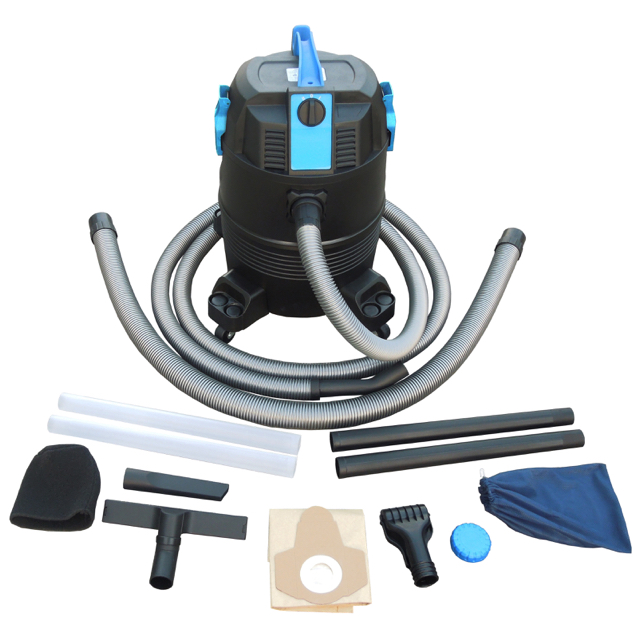
Plastic tank cleaners are ideal for routine sludge management in small to medium ponds (up to 3,000 gallons) where maneuverability is a priority.
A 35L plastic pond cleaner hits the sweet spot for uninterrupted vacuuming before requiring a discharge cycle.
They allow for targeted cleaning without fully draining the pond, protecting the established biological ecosystem and pet safety.
These units are not designed for large-scale, heavy-rock debris removal or initial cleanouts of neglected, heavily compacted mud.
Decaying organic matter creates a highly toxic aquatic environment. Fallen leaves and excessive fish waste break down into a thick layer of sludge. This dense muck sits at the bottom and releases harmful gases over time. It directly causes murky water and triggers sudden, uncontrollable algae blooms. These conditions threaten the overall health of your fish. They also ruin the aesthetic appeal of your backyard landscape.
Completely draining your pond presents severe biological risks. This drastic action crashes the delicate nitrogen cycle immediately. The process severely stresses your fish and harms other aquatic pets. Removing all the water destroys established beneficial bacteria colonies. These microscopic organisms live on rocks and liners. They act as your primary biological filter. They keep your ecosystem stable naturally. Erasing them forces your pond to restart its entire biological maturation process.
You likely start your maintenance journey using basic nets and manual siphons. A standard garden pond cleaner net works fine for light surface skimming. However, it fails completely against thick bottom muck. Scooping dense, waterlogged sludge by hand strains your back severely. When this physical labor becomes unbearable, you cross a critical tipping point. You clearly need a motorized solution to handle the organic load.
A lightweight pond cleaner offers massive ergonomic advantages for homeowners. Plastic models glide easily across complex backyard terrains. You can drag them across uneven landscaping effortlessly. They move smoothly over wet grass and decorative rocks. You avoid damaging your carefully manicured yard. More importantly, you prevent severe back strain during operation. Metal units often weigh twice as much empty. They become nearly immovable once filled with water and wet sludge.
Water and metal rarely mix well over long periods. Plastic tanks remain completely immune to structural rust. This synthetic material provides exceptional long-term durability. It survives continuous exposure to murky water and dense string algae. It also resists harsh pond-treatment chemicals effortlessly. Saline treatments or heavy algaecides will eventually corrode cheap metal seams. High-density plastic simply shrugs off these reactive compounds.
You must compare upfront investments carefully before purchasing. Stainless steel models cost significantly more at checkout. A plastic pond vacuum delivers comparable suction power for residential applications. You achieve excellent performance at a much lower price point. Commercial metal units often feature oversized motors. These large motors drain standard household electrical circuits quickly. Plastic units balance power draw and suction efficiency perfectly for average yards.
Comparison Chart: Plastic vs. Metal Pond Vacuums | ||
Feature | Plastic Tank Vacuum | Stainless Steel Vacuum |
|---|---|---|
Weight (Empty) | Lightweight (15-20 lbs) | Heavy (35-50 lbs) |
Corrosion Resistance | 100% Rust-proof | Susceptible to seam rust over time |
Maneuverability | High (Easy to pull over wet grass) | Low (Tends to sink into soft soil) |
Primary Use Case | Residential ponds up to 3,000 gallons | Commercial jobs and massive lakes |
Spring cleanouts demand reliable and efficient motorized tools. You must remove accumulated winter debris quickly before water temperatures rise. Fall preparation requires clearing freshly dropped leaves before they decompose. A plastic tank pond cleaner handles both seasonal transitions perfectly. It prepares your water feature for extreme temperature shifts. Routine vacuuming prevents the seasonal sludge buildup from becoming permanent, compacted clay.
A 35L plastic pond cleaner serves as an optimal baseline specification. It holds enough water and sludge for highly efficient working intervals. You can vacuum a substantial area without constant shut-off interruptions. Meanwhile, it remains physically light enough to transport safely. You can easily wheel a full 35L tank to your garden bed. It provides the perfect ratio of collection capacity to user mobility.
These specialized vacuums target specific organic debris types. They excel at pulling up soft, decaying organic matter quickly. They easily remove loose fish waste hiding between pebbles. They slurp up dead string algae efficiently after treatment. However, do not use them to dredge heavy clay deposits. They cannot handle massive stones or densely compacted gravel beds. Treating them like industrial excavators will damage the motor.
You must understand the single-chamber discharge cycle reality. Standard plastic models do not offer continuous, uninterrupted discharge. They operate on a fill-and-drain mechanism. They fill up and automatically shut off their suction power. Then they drain the collected water through an output hose. You must factor these timing cycles into your daily schedule. Impatience often leads to operator frustration.
Follow these operational rules to avoid damaging your equipment:
Avoid Large Sharp Debris: Stay away from heavy gravel and sharp broken stones. These hard objects easily clog the narrow intake hose. Worse, they can strike and crack internal plastic components at high speeds.
Manage Head Pressure: The discharge hose relies entirely on gravity. It needs a slight downward slope to drain the tank properly. Raised ponds present unique challenges for this process. Water simply will not flow uphill during the discharge phase.
Monitor Filter Bags: Empty internal debris bags frequently. A clogged bag strains the vacuum motor and reduces suction power drastically.
Keep Connections Tight: Check hose seals before turning on the power. Air leaks drop suction pressure and make sludge removal impossible.
Troubleshooting Common Operational Limitations | ||
Limitation | Common Mistake | Best Practice Solution |
|---|---|---|
Discharge Cycle Halts | Assuming the motor died permanently. | Wait 30-60 seconds for the tank to drain automatically. |
Elevation Constraints | Placing the unit below the drainage area. | Elevate the vacuum base slightly above the discharge zone. |
Debris Clogging | Vacuuming over large river rocks. | Use a protective nozzle guard to block stones. |
You must protect your aquatic life during maintenance sessions. Always use appropriate intake nozzles to prevent accidents. Wide guards prevent the accidental suction of small animals. You keep small koi, juvenile goldfish, and frogs completely safe. Move the nozzle slowly along the bottom. This deliberate pacing gives fish ample time to swim away. Jerky, fast movements startle fish and increase the risk of injury.
Your biological filter requires careful preservation. Vacuuming the sludge layer selectively protects your pond ecosystem. It remains much safer than dumping chemical clarifiers into the water. It easily beats full drain-and-scrub methods. You leave essential bacteria colonies perfectly intact on rocks. You simply remove the excess nutrient load that fuels algae. This targeted approach maintains optimal water parameters.
Mechanical vacuuming removes hazardous materials safely and cleanly. You eliminate the pressing need for harsh chemical additives. Sludge-dissolving liquids often contain toxic compounds or heavy metals. Domestic cats and dogs frequently drink from backyard water features. A mechanical approach keeps their impromptu drinking water safe. You avoid exposing your furry companions to chemical burns or internal poisoning.
Match your exact tank capacity to your specific landscape layout. A 35L tank suits a moderate surface area perfectly. You must also consider the total depth of your installation. Deep ponds pull more water volume per pass. If you own a massive pond, you might need a dual-chamber continuous vacuum. For standard residential setups, a medium-capacity single-chamber unit works brilliantly.
Evaluate Hose Lengths: Measure your workspace accurately before buying. Find the distance from the deepest pond section to the nearest power outlet. Then measure the distance to your intended drainage area. Ensure the included hoses bridge these gaps comfortably.
Look for Included Attachments: Versatility matters immensely for varied terrains. Recommend models offering varied interchangeable nozzles. Crevice tools clean effectively between large structural rocks. Wide nozzles handle flat liner sections quickly.
Check Internal Filters: Internal debris filter bags remain essential components. They catch larger solids before they jam the impeller. Ensure the manufacturer offers inexpensive replacement bags.
A plastic motorized vacuum effectively bridges the gap between exhausting manual labor and overkill commercial equipment. You gain the power to clear toxic sludge without breaking your back or draining your wallet. These lightweight machines offer unmatched maneuverability around delicate landscaping. They protect your ecosystem by allowing targeted, chemical-free cleaning sessions.
Successful use depends entirely on matching the tool to your exact pond size. You must adopt a regular seasonal maintenance schedule. Do not wait for years of heavy sludge to build up into hard clay. Routine cleaning prevents overwhelming organic loads from crashing your nitrogen cycle.
Take action before your next maintenance session. Measure your pond depth and surface area carefully. Review the specific sludge-handling capabilities of your shortlisted vacuums. Ensure your chosen model includes the right attachments and hose lengths for your unique backyard layout.
A: No, you do not need to remove your fish. Catching fish causes them immense stress. Keep them in the water. Use wide nozzle guards to prevent accidental suction. Move the vacuum head slowly across the bottom. Fish will naturally swim away from the noise and movement.
A: Cleaning an average 1,000-gallon pond takes about one to two hours. You must factor in the automatic fill-and-drain cycles. The vacuum shuts off every few minutes to discharge water. Patience is key. Rushing the process Stirs up bottom debris and clouds the water further.
A: Using a standard shop vac poses significant risks. Shop vacs lack automatic water discharge features. You will have to lift and empty a heavy tank repeatedly. They also lack specialized sludge filters. More importantly, using non-rated electrical equipment near standing water increases electrocution risks.
A: Dump the extracted sludge directly into your garden beds or compost pile. Pond sludge acts as a highly potent, nutrient-rich organic fertilizer. It feeds your plants naturally. Just ensure you discharge it far enough away so rain does not wash it back into the pond.